Pula Arena Logo
English| EUR
Book Now
Open today · 08:00 – 22:00

Pula Arena Tickets

Pula Arena Tickets — Reserved Entry & Guided Amphitheatre Tours

Limestone rings the Adriatic light, six thousand summers deep.

4.8 /5 · 2,400 reviews
94K+ travelers chose this
Free Cancellation
Right now: Moderate — July peak season Arrive between 08:00 and 09:30 to avoid midday heat and tour groups
45-90 minutes recommended
1 Languages
Independent or small groups
Free Cancellation
Free cancellation Instant confirmation Mobile voucher Verified partner Skip-the-line
132.5×10⁵m
Outer wall size
Elliptical amphitheater footprint
32.45 m
Wall height
Tallest surviving section
23,000
Historical capacity
Roman-era spectators
6th largest
World ranking
Among surviving Roman amphitheaters
10 EUR
Entrance fee
Adult, per person
Choose your ticket

Pula Arena tickets at a glance

Compare fares, pick the fit — all bookings are mobile-voucher and eligible for free cancellation where shown.

Pula Arena: Guided Tour & Entry Ticket 1 hr 30 min
Guided Experience

Pula Arena: Guided Tour & Entry Ticket

€111
  • Expert local guide
  • Small group
  • Skip-the-line access
  • Free cancellation
Book this ticket
Pula in German with a True Local: Roman Highlights Walk 1 hr 30 min
Standard Entry

Pula in German with a True Local: Roman Highlights Walk

4.8 (243)
€20
  • Entry ticket
  • Mobile voucher
  • Valid same day
  • Free cancellation
Book this ticket
Compare options

Compare Pula Arena ticket options

Experience DurationRatingSkip-the-lineGuideSmall groupFree cancel. Price
Standard Entry
Most popular
Pula Arena: Roman Amphitheater Entrance Ticket
Self-guided visit★ 4.3 €10 Book →
Guided Experience
Pula Arena: Guided Tour & Entry Ticket
1 hr 30 min €111 Book →
Standard Entry
Pula in German with a True Local: Roman Highlights Walk
1 hr 30 min★ 4.8 €20 Book →

Are Pula Arena Tickets Worth It? What the 10 EUR Entrance Fee Gets You

Worth it for anyone entering the arena floor

Pula Arena Tickets cost a flat 10 EUR per adult, and that single fee covers everything inside: the arena floor, the surviving terraces, and the underground passages housing the exhibition on Istrian olive oil and winemaking, displayed among the original amphitheatre substructures. The exterior is genuinely free, and the outer wall with its three tiers of arches is the part most photographs capture — so if your interest stops at the facade, keep your money. Paying makes sense when you want to stand where gladiators fought, walk the vaulted corridors beneath, and read the interpretation panels that explain how the Roman amphitheatre functioned. Families and history-minded travellers get the most from a Pula Arena Tickets tour of the underground level. Ten euros also buys re-entry value on the same day at one of Croatia's better-preserved Pula landmarks, open 08:00–22:00 daily.

What makes it worth it

  • Flat 10 EUR covers floor, terraces, underground exhibition
  • Underground passages inaccessible without paid entry
  • Long 08:00–22:00 daily window, no timed slot
  • Cheap against comparable Roman amphitheatre entry fees
  • Interpretation panels explain structure and Istrian food heritage

Keep in mind

  • Exterior arches visible free from Flavijevska Street
  • Interior is largely open ground, few artefacts
  • Little shade on the arena floor midday
  • Concert staging can obstruct parts of interior

Bottom line: If you plan to step inside at all, buy the skip-the-line Pula Arena tickets — the underground alone justifies the 10 EUR, but the facade-only crowd loses nothing by staying outside.

Head to head

Pula Arena Tickets vs Colosseum Tickets: Which Roman Amphitheater Is Worth Your Time

For travelers deciding between quiet Istria and crowded Rome, Pula Arena tickets win on simplicity and calm, while the Colosseum wins on scale and name recognition — most visitors who compare both end up calling Pula the more relaxed, authentic amphitheater experience.

Top pick
Pula Arena
Colosseum, Rome
What you approach Ruined arena amid dense central Rome traffic
Ticket structure Tiered system — Standard, Full Experience Arena, Underground, Attic
Price 18-28 EUR depending on tier (2026 rates)
Crowd levels Extremely high — among world's most visited monuments
Underground access Requires separate Full Experience or guided-tour ticket
Overall atmosphere Busy, monumental, high-energy tourist landmark
Typical visit duration 1.5-3 hours depending on ticket tier

Verdict: Choose Pula Arena tickets for an uncrowded, single-price walk through genuine Roman history, and choose the Colosseum for its sheer scale and gladiatorial lore, provided you accept the queues, tiered pricing, and advance booking that come with it.

Featured Experiences

Popular Pula Arena tours & activities

Hand-picked experiences loved by thousands of travelers

Recommended Experience

Powered by GetYourGuide

Another traveler favorite

Powered by GetYourGuide
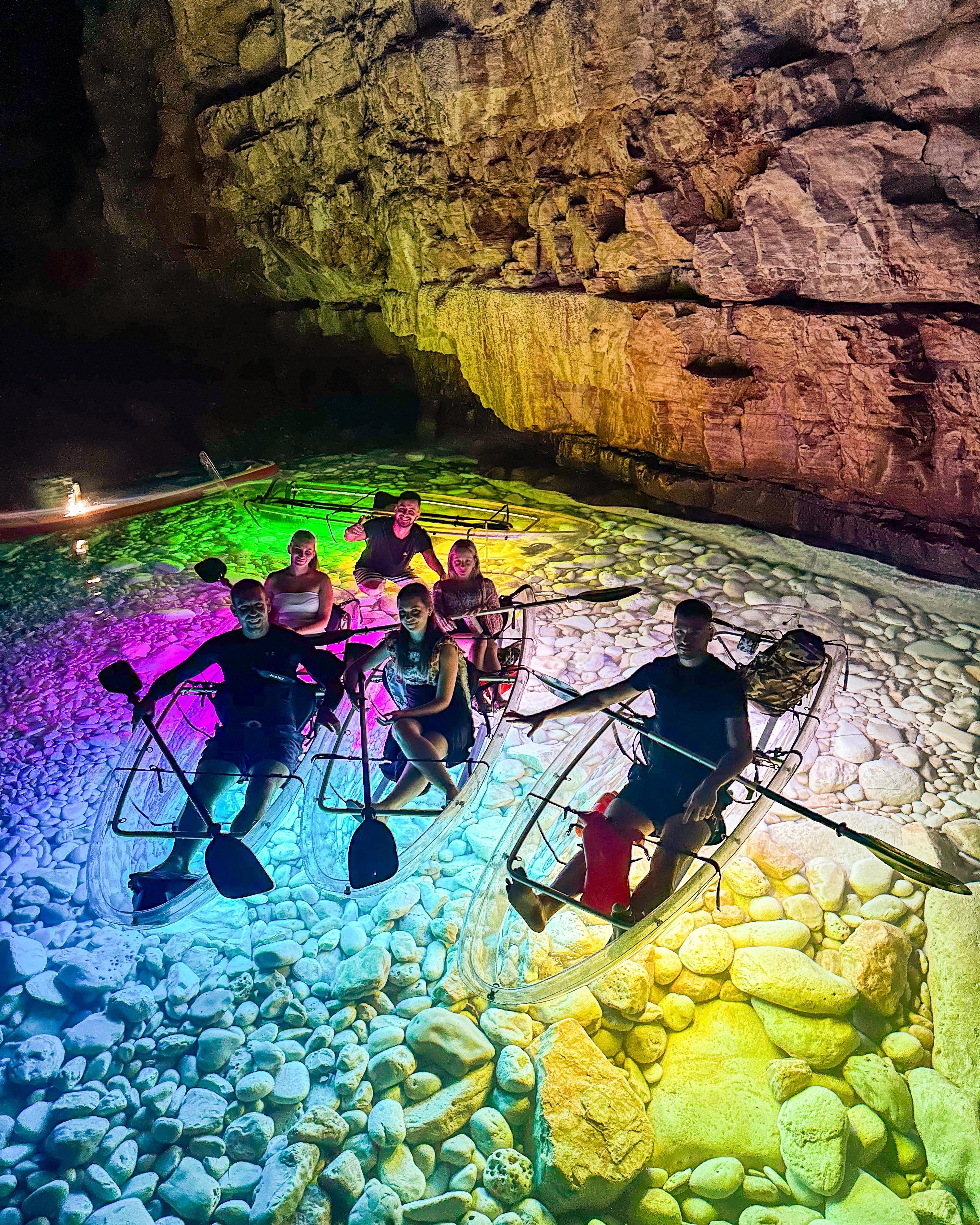
Pula Cave Kayak Tour with Snorkeling & Island Hopping 3 hours Free Cancellation

Pula Cave Kayak Tour with Snorkeling & Island Hopping

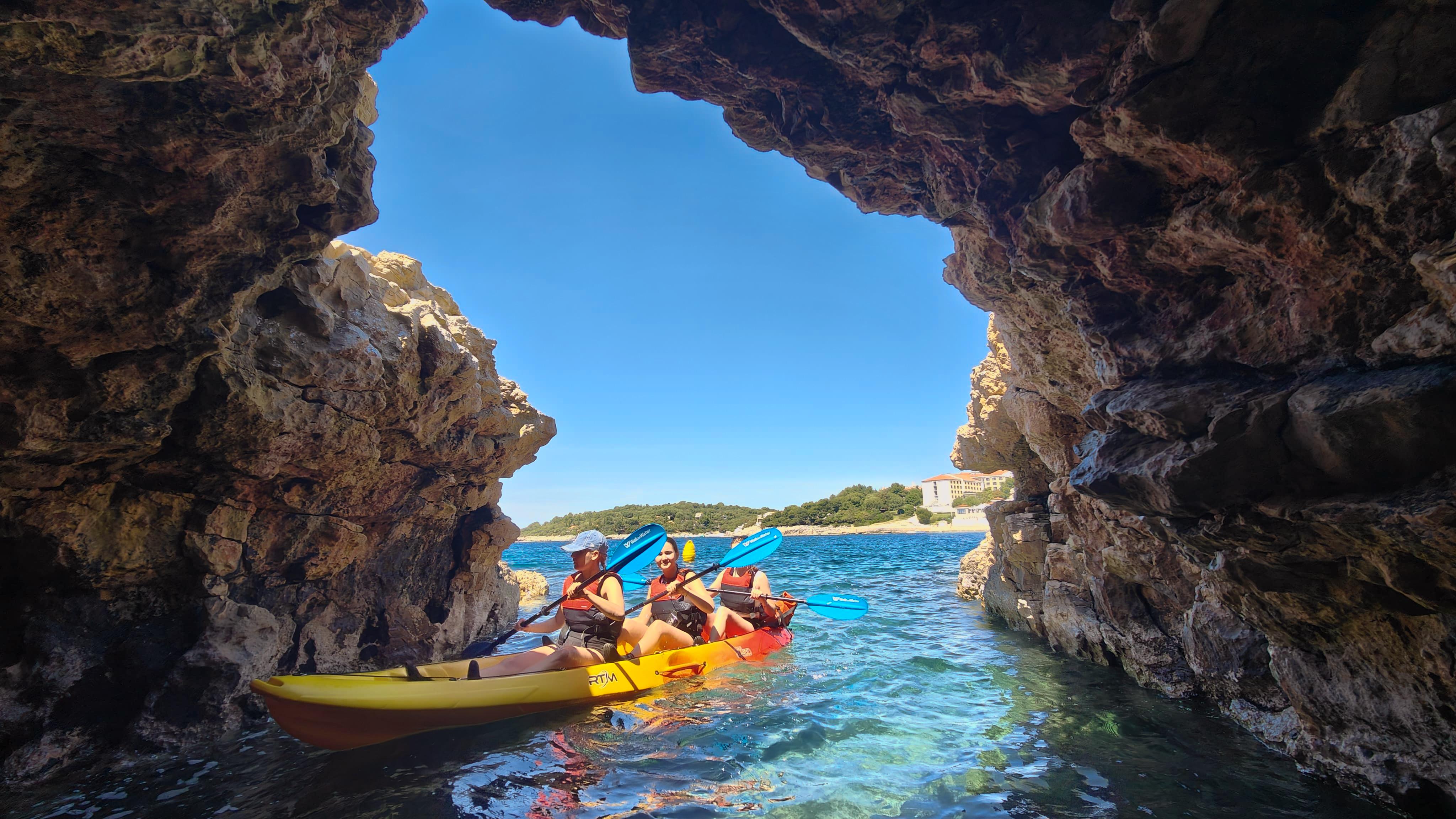
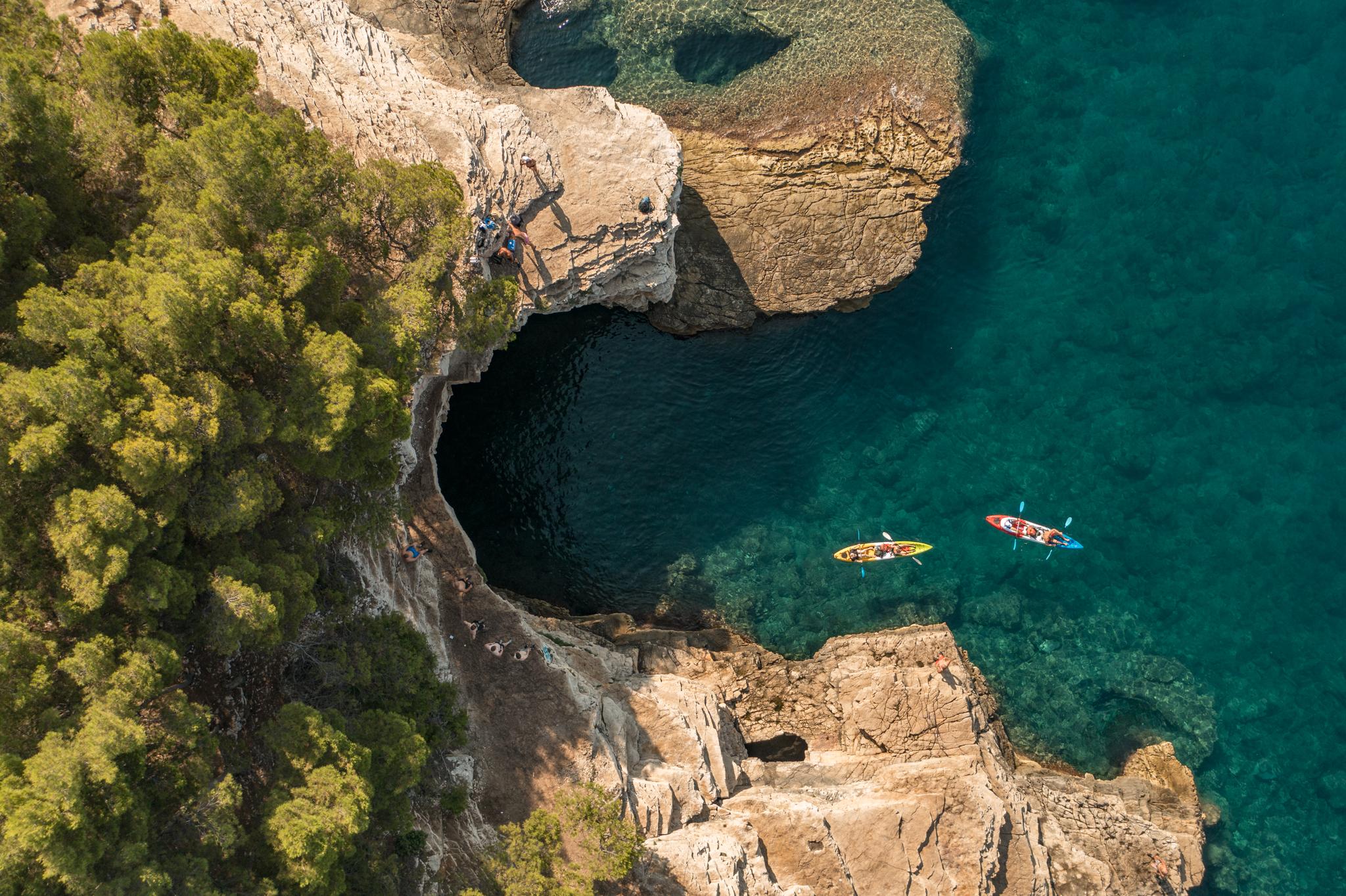
Kayak from Ambrela Beach into a pigeon-filled sea cave, then snorkel and island-hop under the Adriatic sun.

4.7 (1286)
FromFrom €28.98
See details
Pula Sea Kayak Tour: Muzil Cave, Snorkelling & Cliff Jumping 3.5 hours Free Cancellation

Pula Sea Kayak Tour: Muzil Cave, Snorkelling & Cliff Jumping

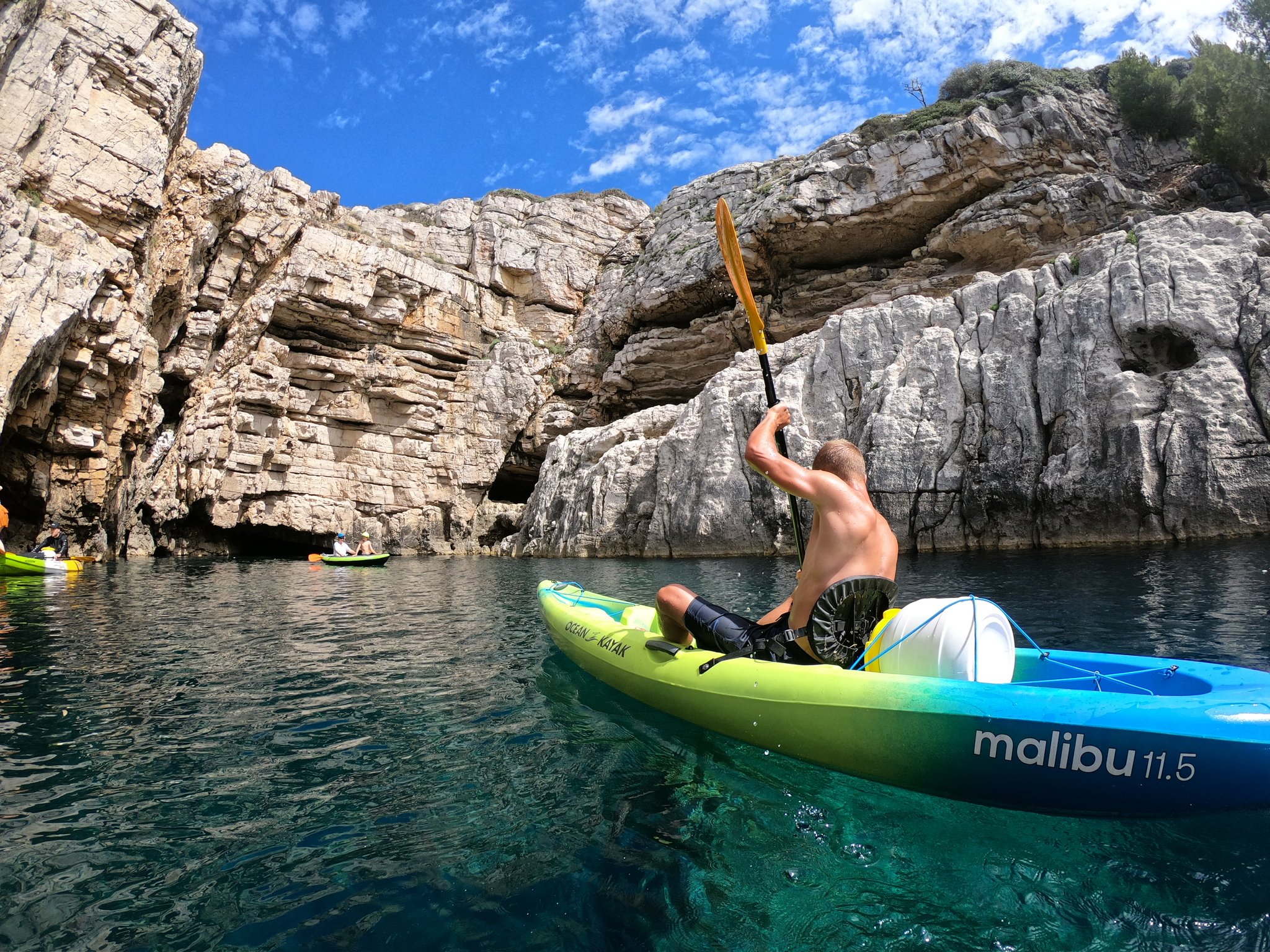
Paddle Pula's coastline to a hidden cave, snorkel turquoise water, and leap from cliffs up to 10m.

4.8 (381)
FromFrom €33.6
See details
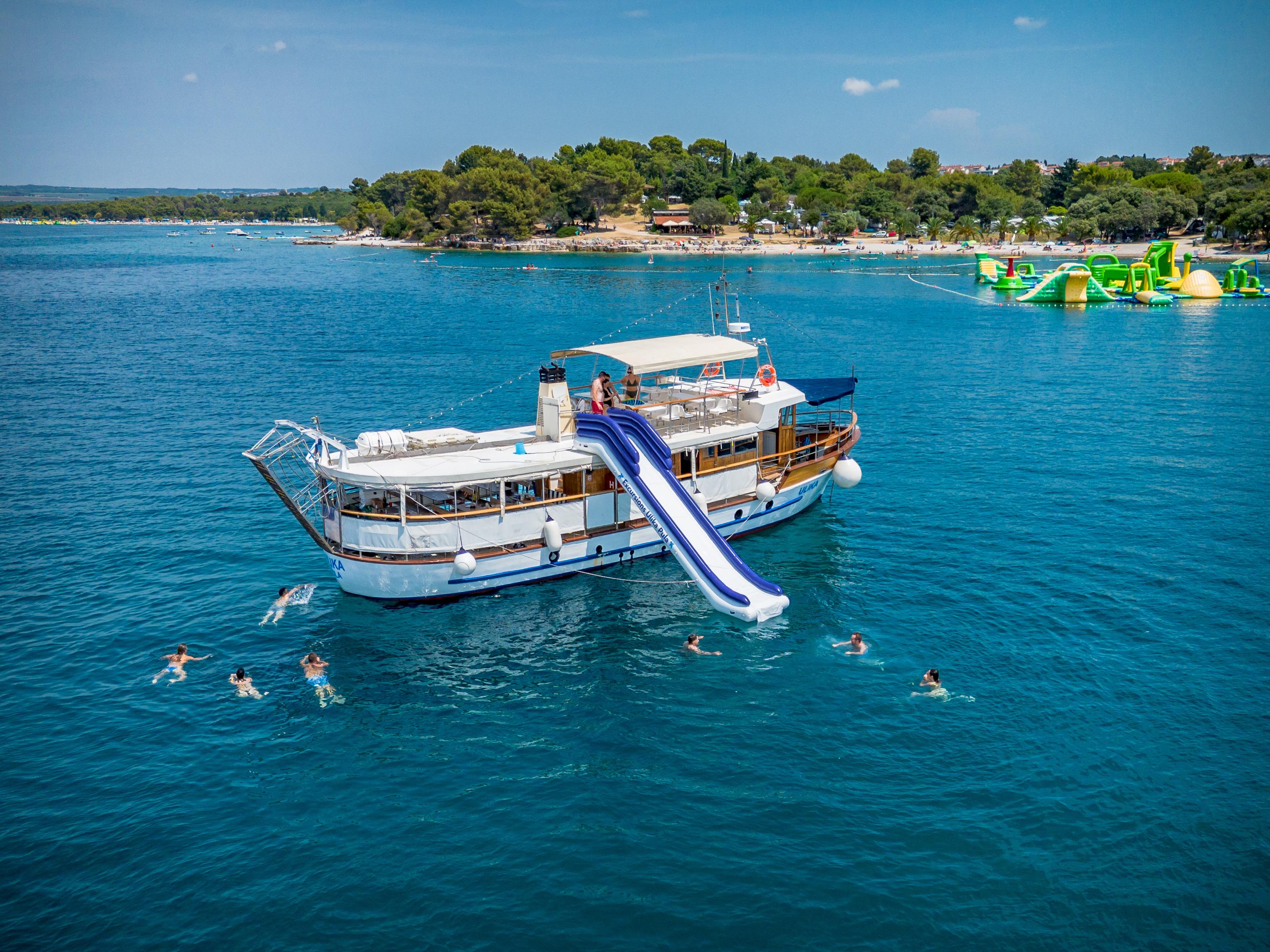
Brijuni National Park Boat Cruise with Swim Stops & Grilled Lunch 6 hours Free Cancellation

Brijuni National Park Boat Cruise with Swim Stops & Grilled Lunch

Sail from Pula to Brijuni Islands on a wooden boat with swimming, grilled lunch & island time

4.6 (345)
FromFrom €56
See details
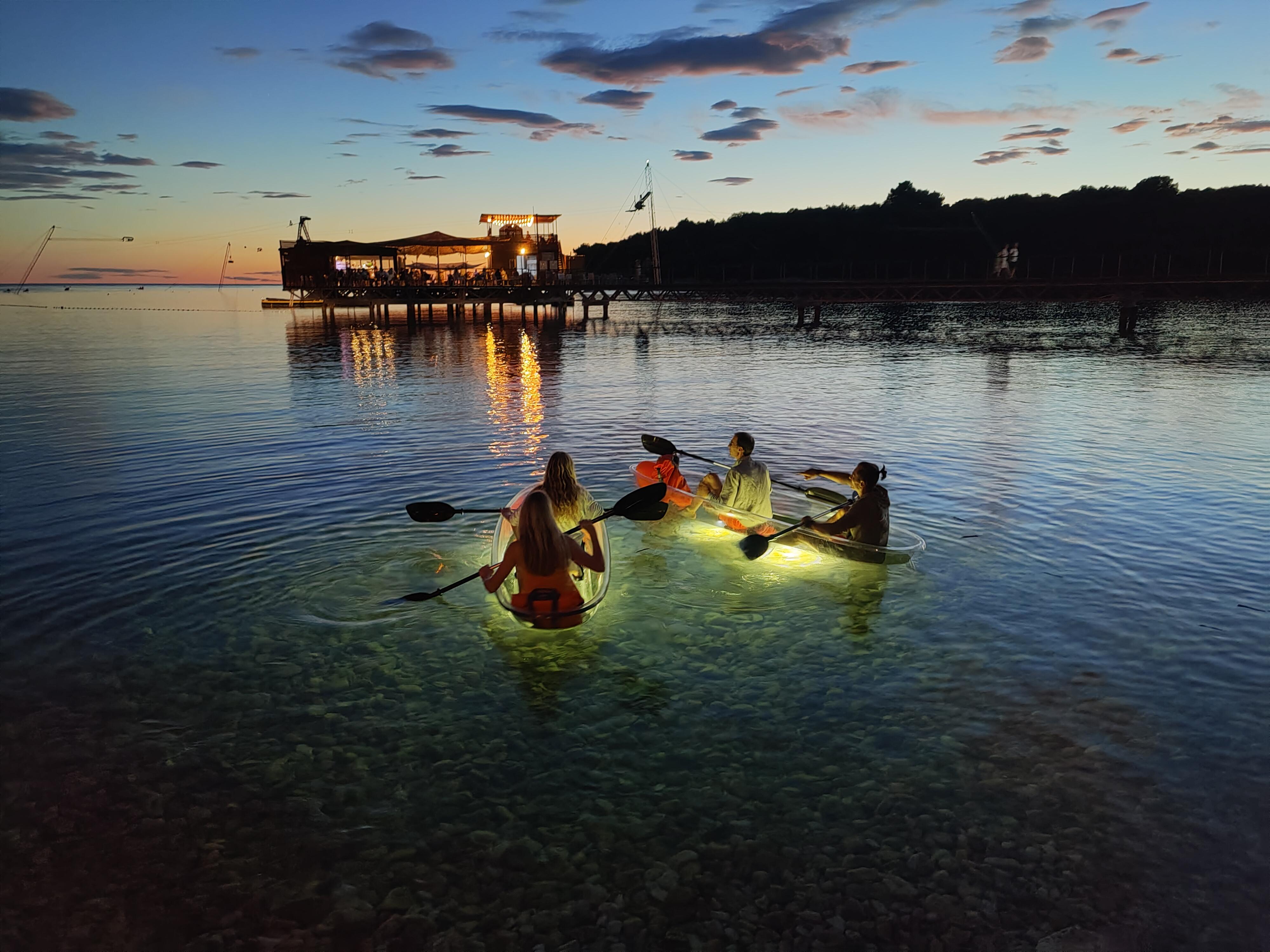
Pula Night Sea Kayaking in a Transparent LED Kayak 2 hours Free Cancellation

Pula Night Sea Kayaking in a Transparent LED Kayak

Glide over Pula's glowing Adriatic waters at night in a clear kayak lit up like a diving mask.

4.7 (556)
FromFrom €42.97
See details
Pula: Illuminated Transparent Kayak Sunset & Night Tour 1.5 hours Free Cancellation

Pula: Illuminated Transparent Kayak Sunset & Night Tour

Glide through Pula's glowing night waters in a see-through, LED-lit kayak under a starlit sky.

4.9 (132)
FromFrom €44.13
See details
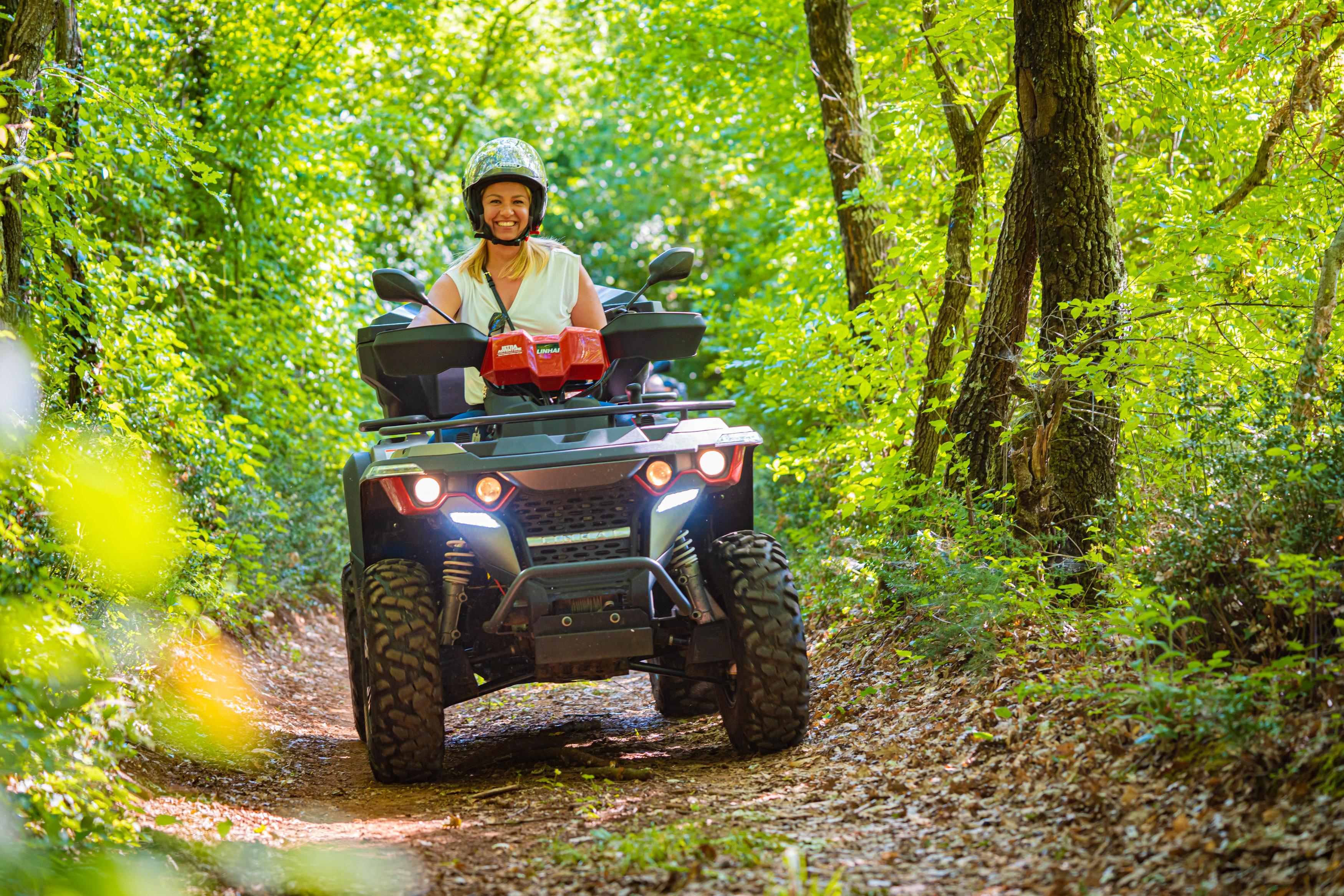
Istria Quad Safari: Off-Road Adventure near Pula or Rovinj 1 - 4 hours Free Cancellation

Istria Quad Safari: Off-Road Adventure near Pula or Rovinj

Guided quad biking through Istria's forests, coastal viewpoints and hidden ruins. 1-4 hour rides.

4.8 (312)
FromFrom €75
See details
Pula: Sea Cave & Islands Kayak Tour with Snorkeling and Drinks 3 hours Free Cancellation

Pula: Sea Cave & Islands Kayak Tour with Snorkeling and Drinks

Paddle to a hidden sea cave, snorkel a secluded beach, and sip drinks on a guided 3-hour Pula kayak adventure.

4.6 (293)
FromFrom €22.8
See details
Private Pula Arena Tour with a History Teacher 1 hour Free Cancellation

Private Pula Arena Tour with a History Teacher

Explore Pula Arena inside and out with a private history teacher guiding every step of the way.

FromFrom €96
See details
Your journey

Your Pula Arena day, step by step

1

Arrive and enter

Show your Pula Arena Tickets at the Flavijevska Street gate and pick up the free site map

2
Underground passage

Underground passage

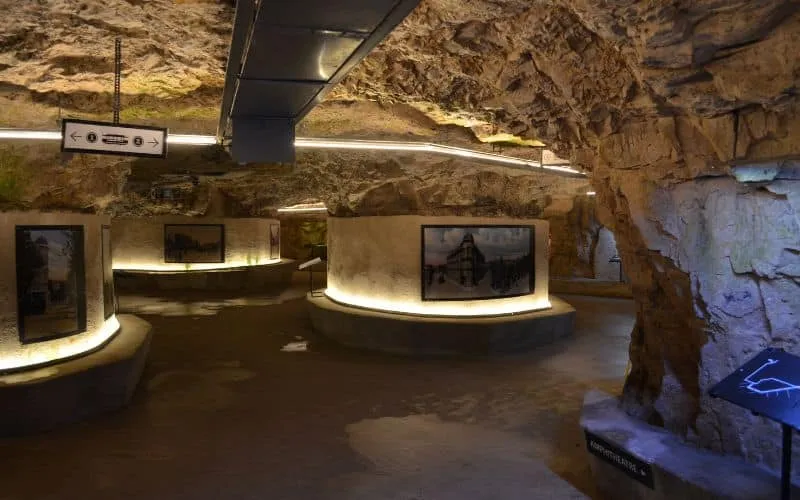
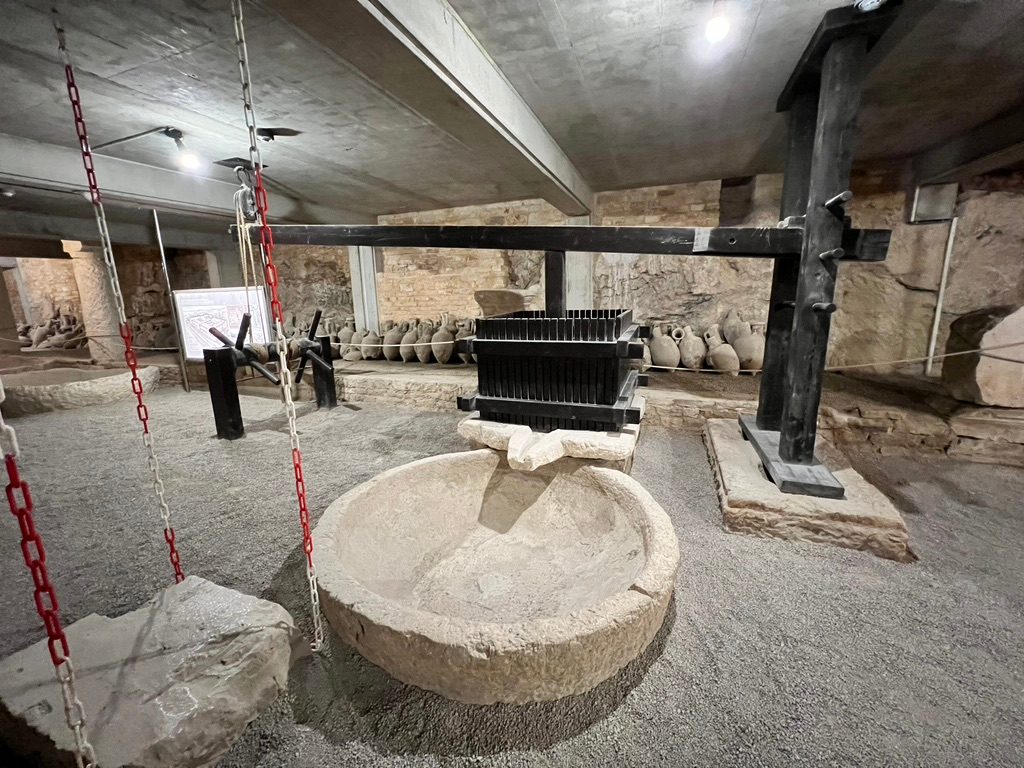
Descend into the vaulted underground chambers housing the permanent exhibition on ancient olive-oil and wine production

3
Upper terraces

Upper terraces

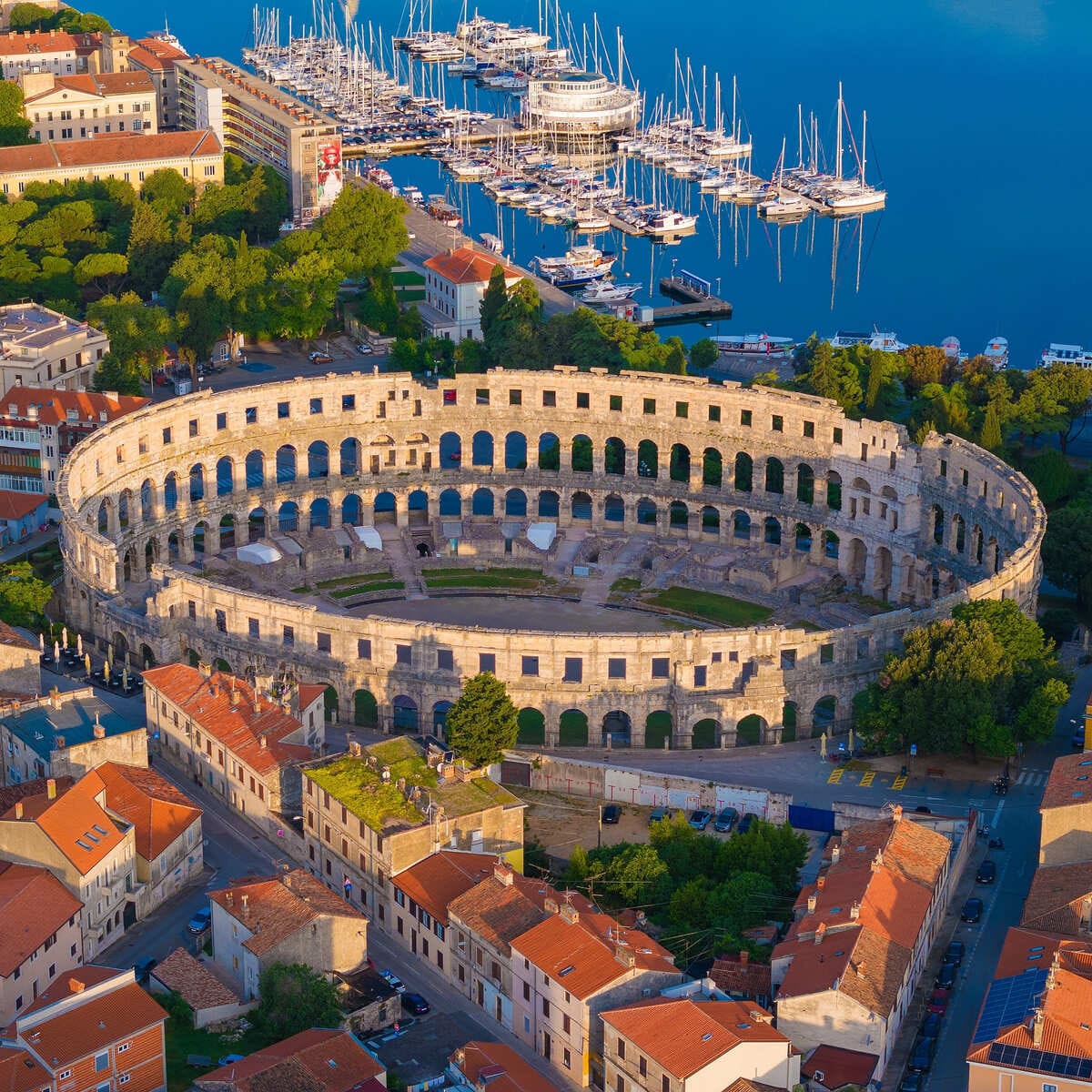
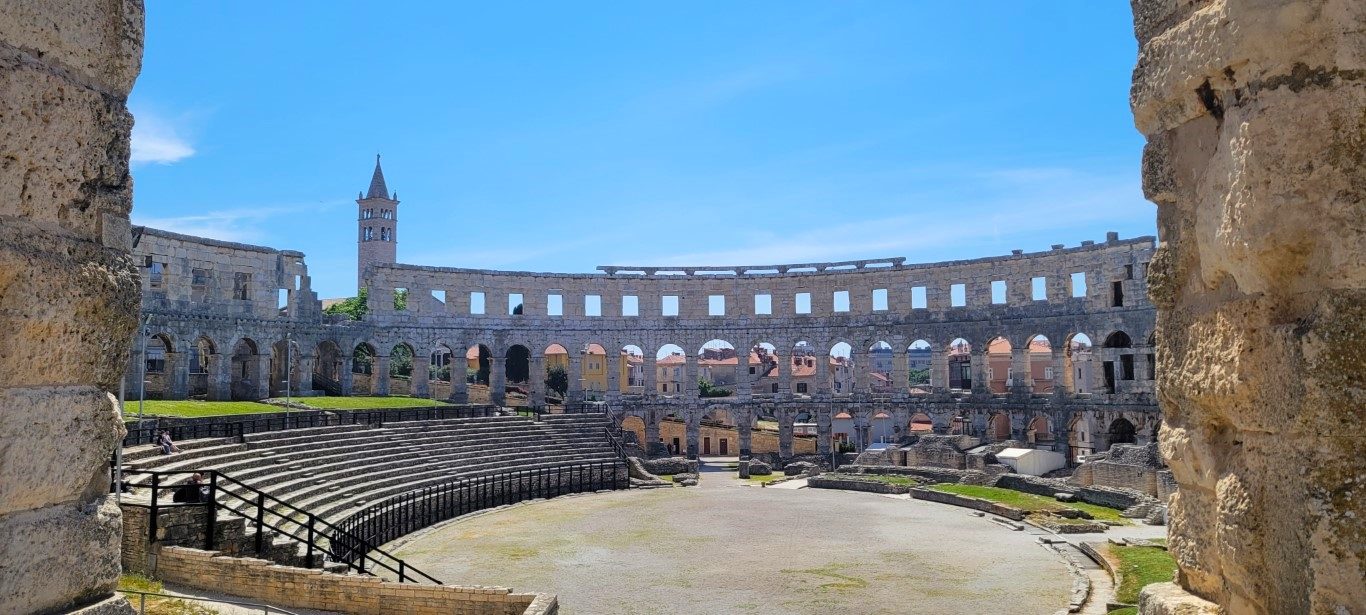
Climb the stone tiers for a view across the amphitheatre's oval shape and out toward the harbor

4
Exit toward the Old Town

Exit toward the Old Town

Head from the amphitheatre toward the Arch of the Sergii and Roman Forum for the rest of the day

What you'll see

What you'll see at Pula Arena

Arena Floor

Arena Floor

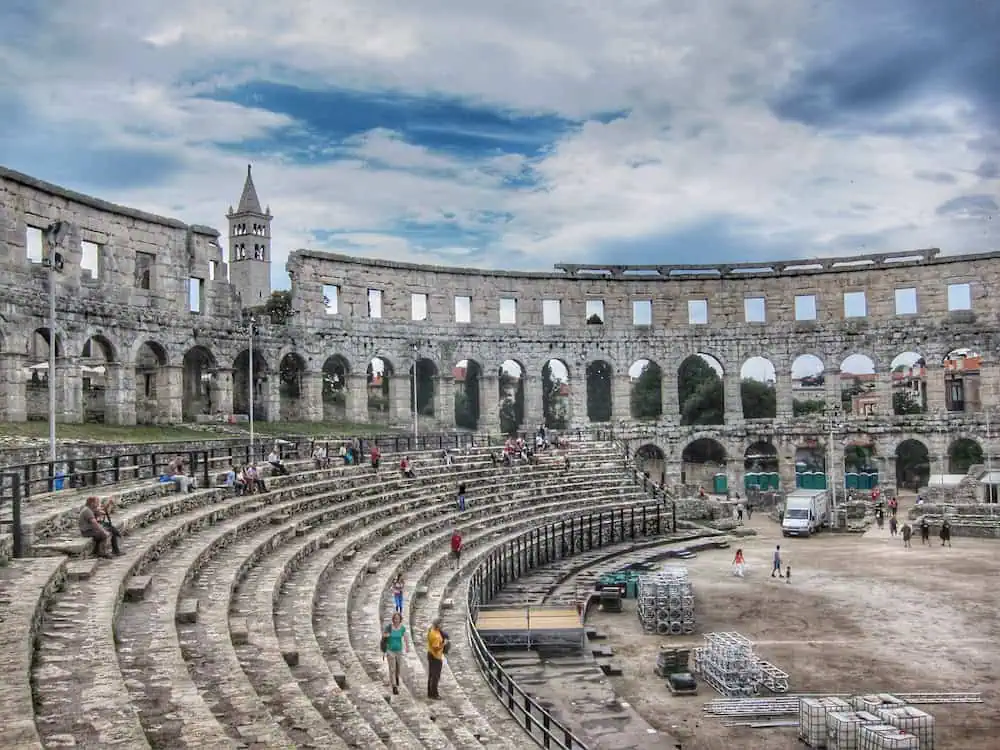
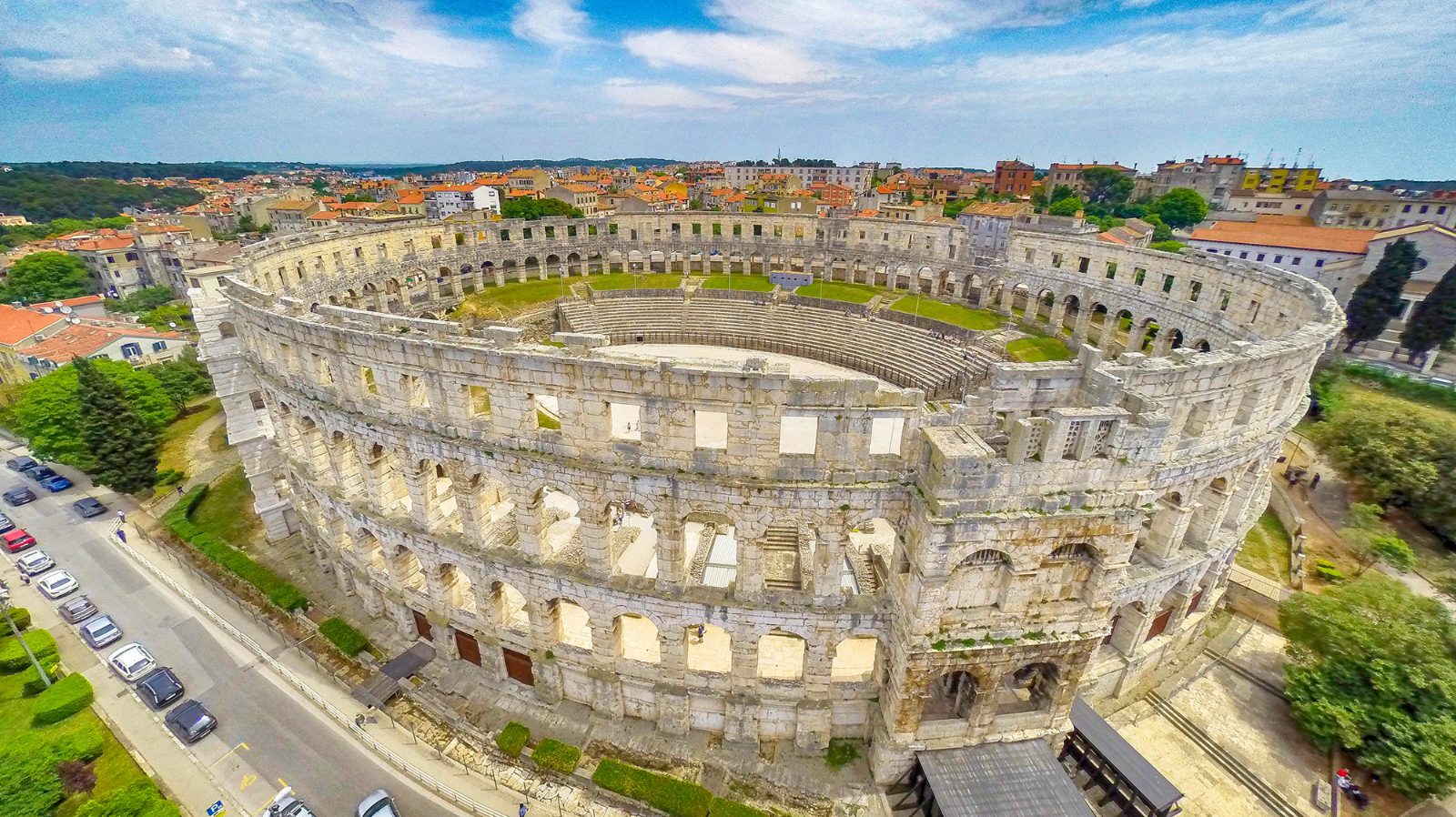
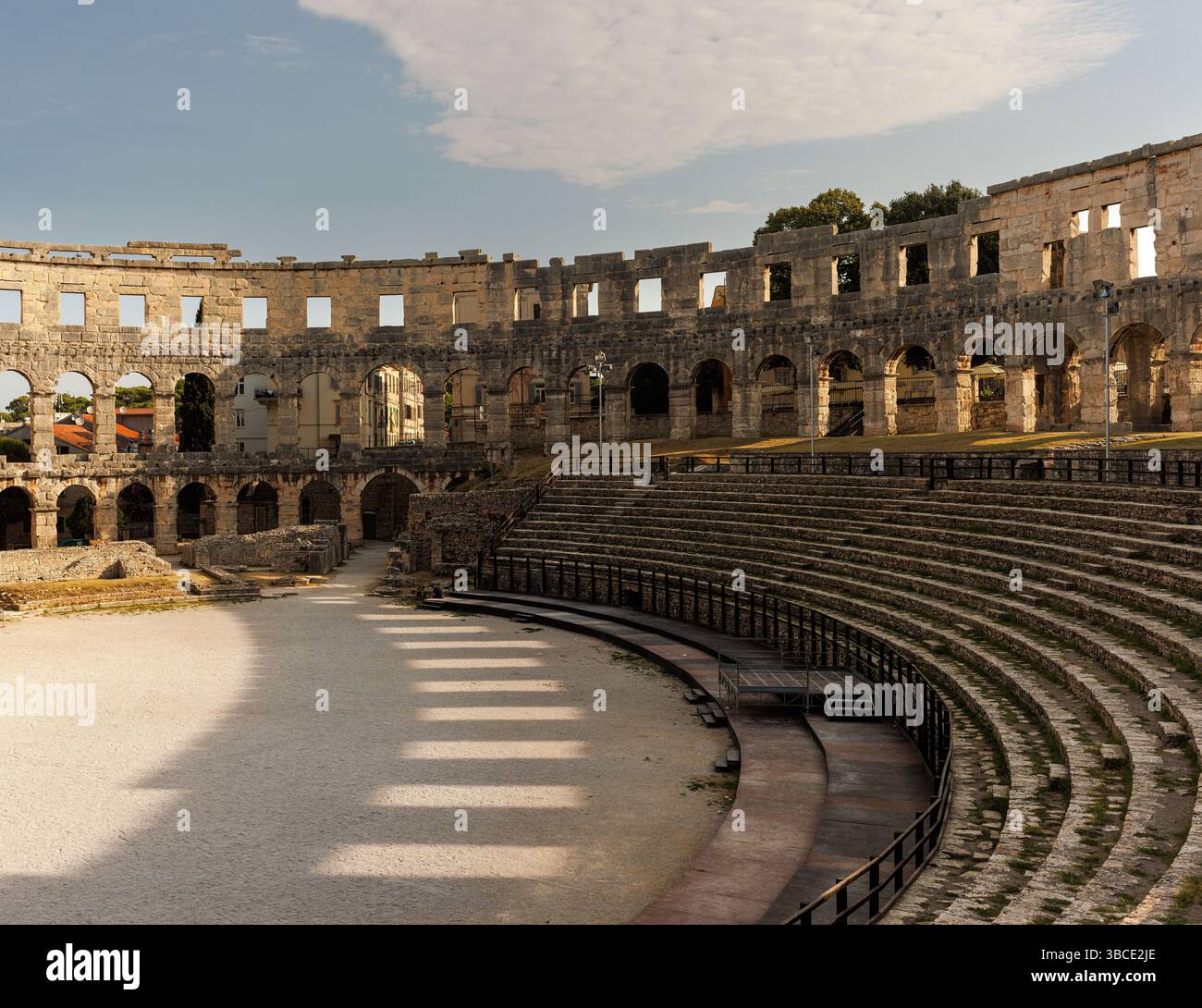
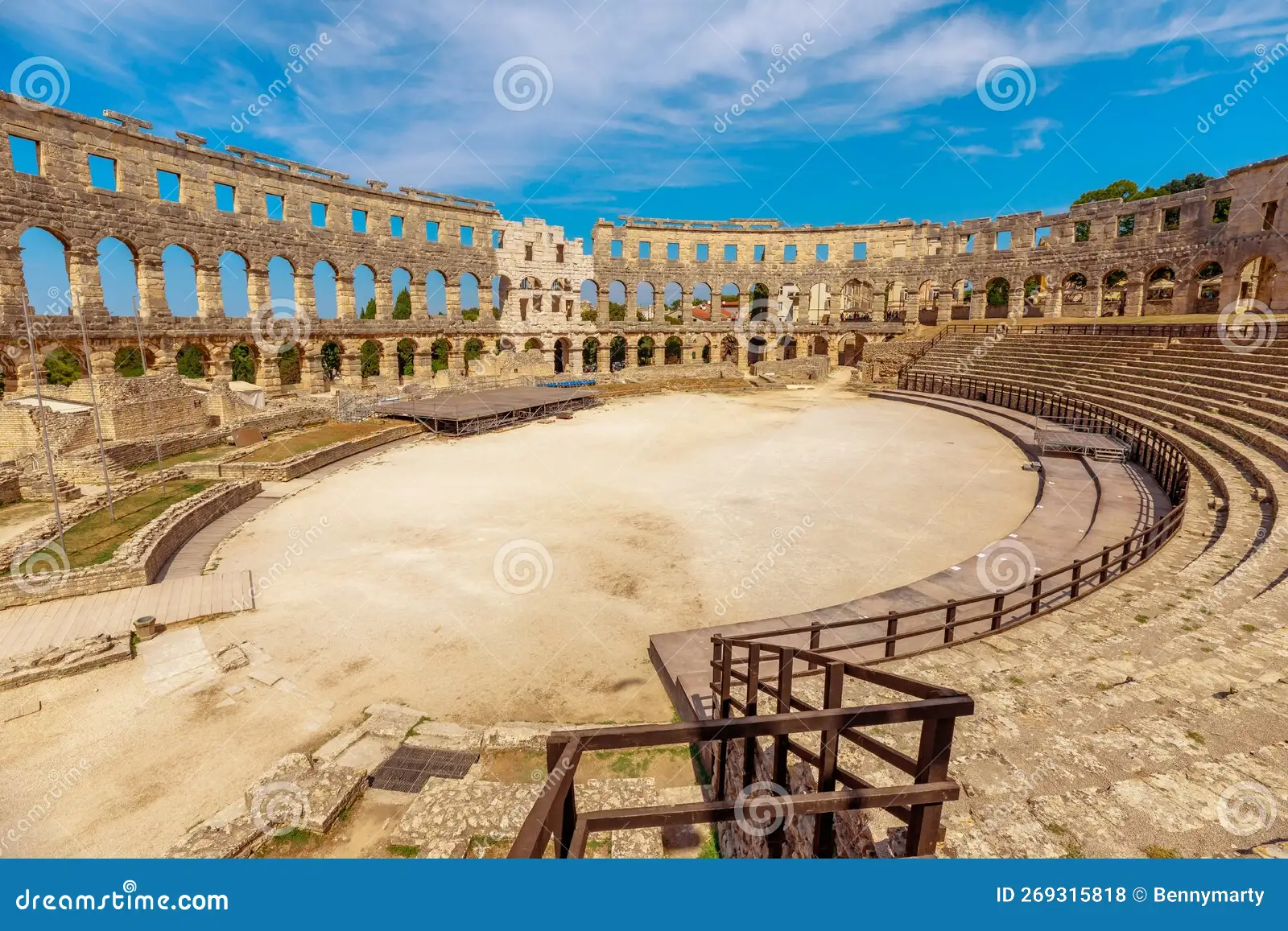
The oval floor once hosted gladiator contests and even staged mock naval battles when flooded, according to historical accounts of the site's ancient use. Today visitors walk the same ground beneath the amphitheatre's towering outer walls, which reach roughly 32 meters at their highest point facing the sea.

Underground Passage

Underground Passage

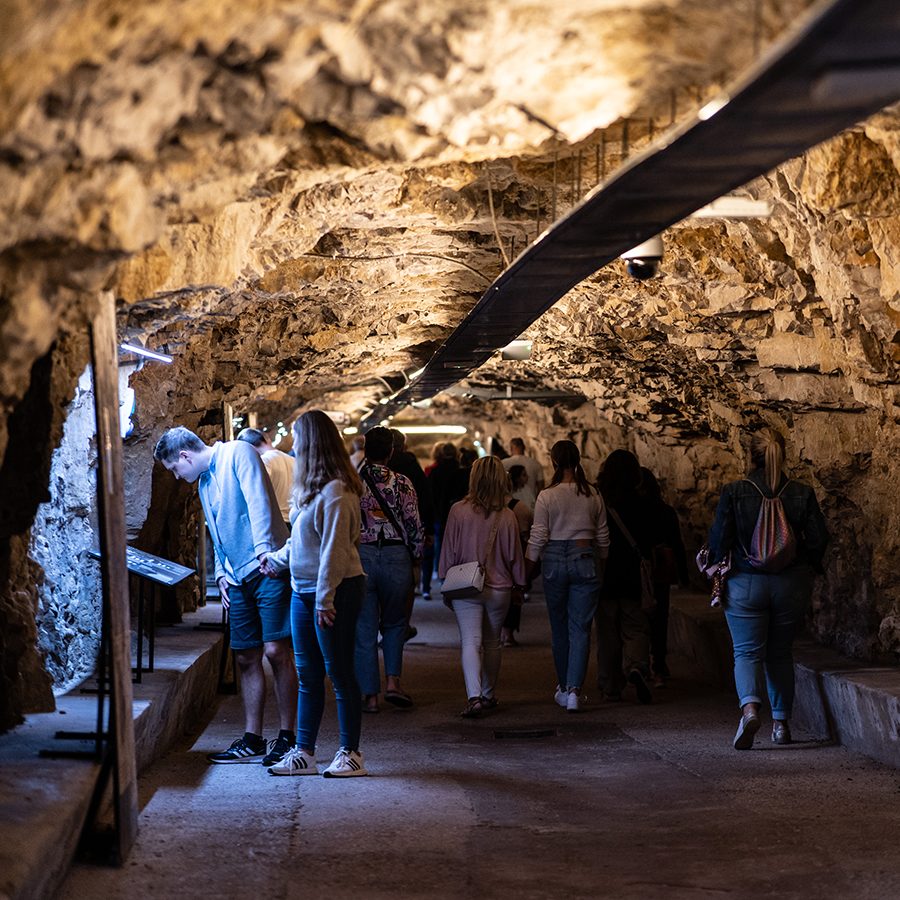
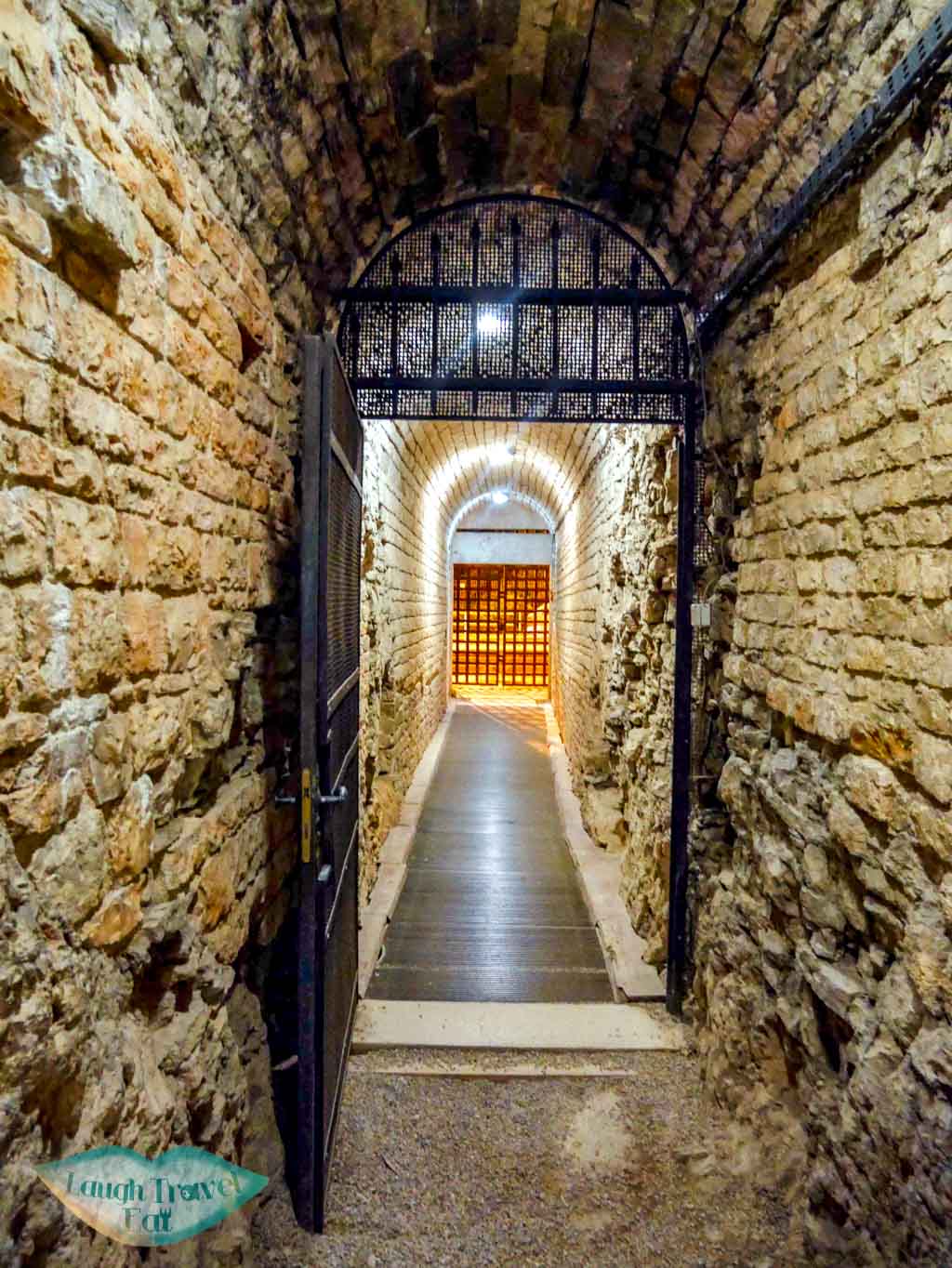
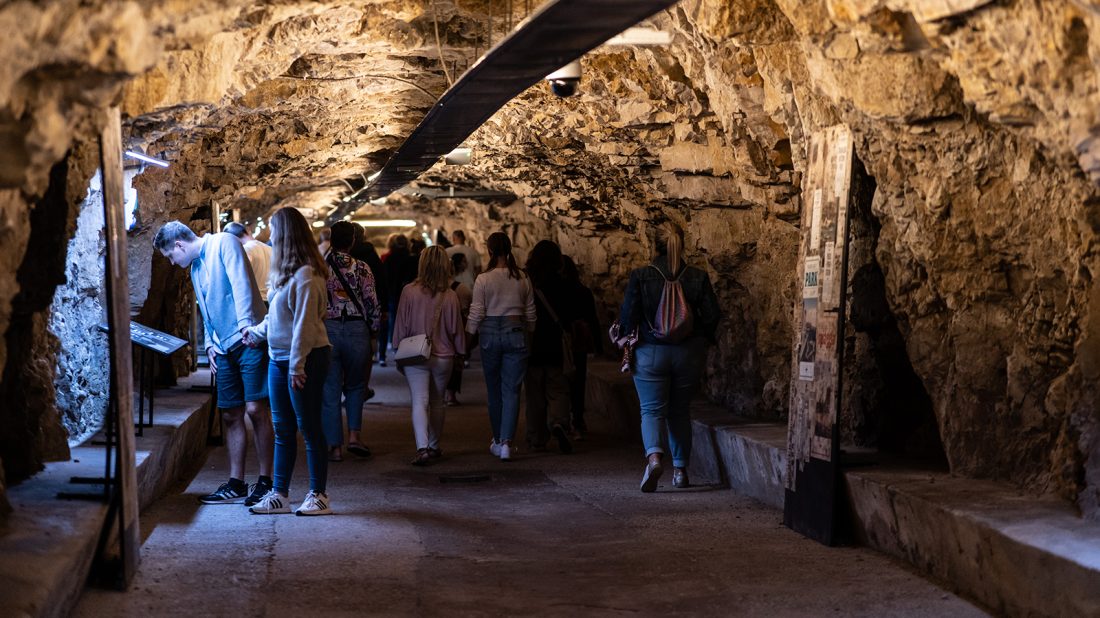
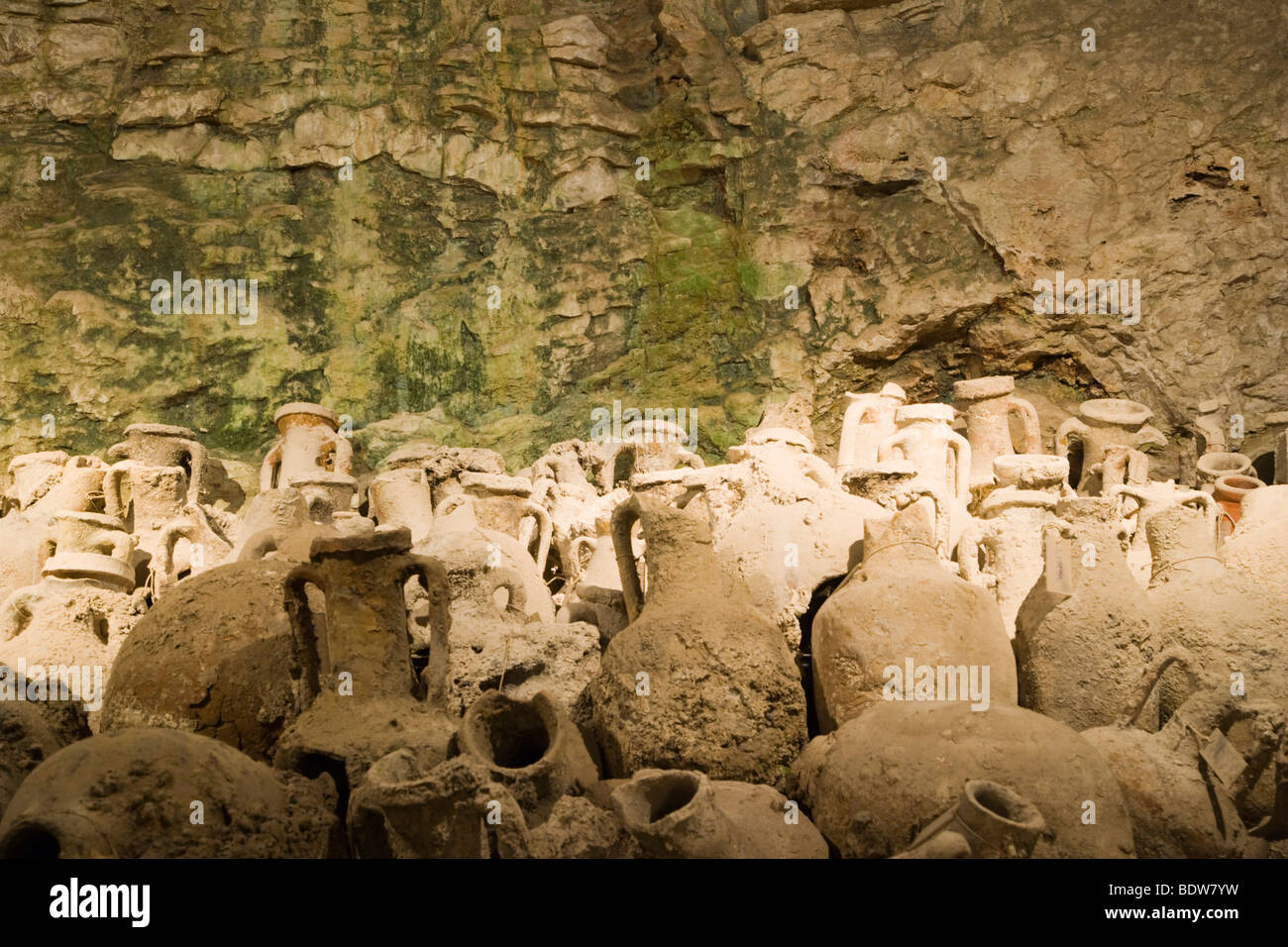
Vaulted stone corridors beneath the arena once held gladiators, animals, and equipment before events, and today house a permanent exhibition on ancient Istrian olive-oil and wine production. The chambers stay noticeably cooler than the open-air terraces above, offering a shaded break during a midday visit.

Outer Wall and Towers

Outer Wall and Towers

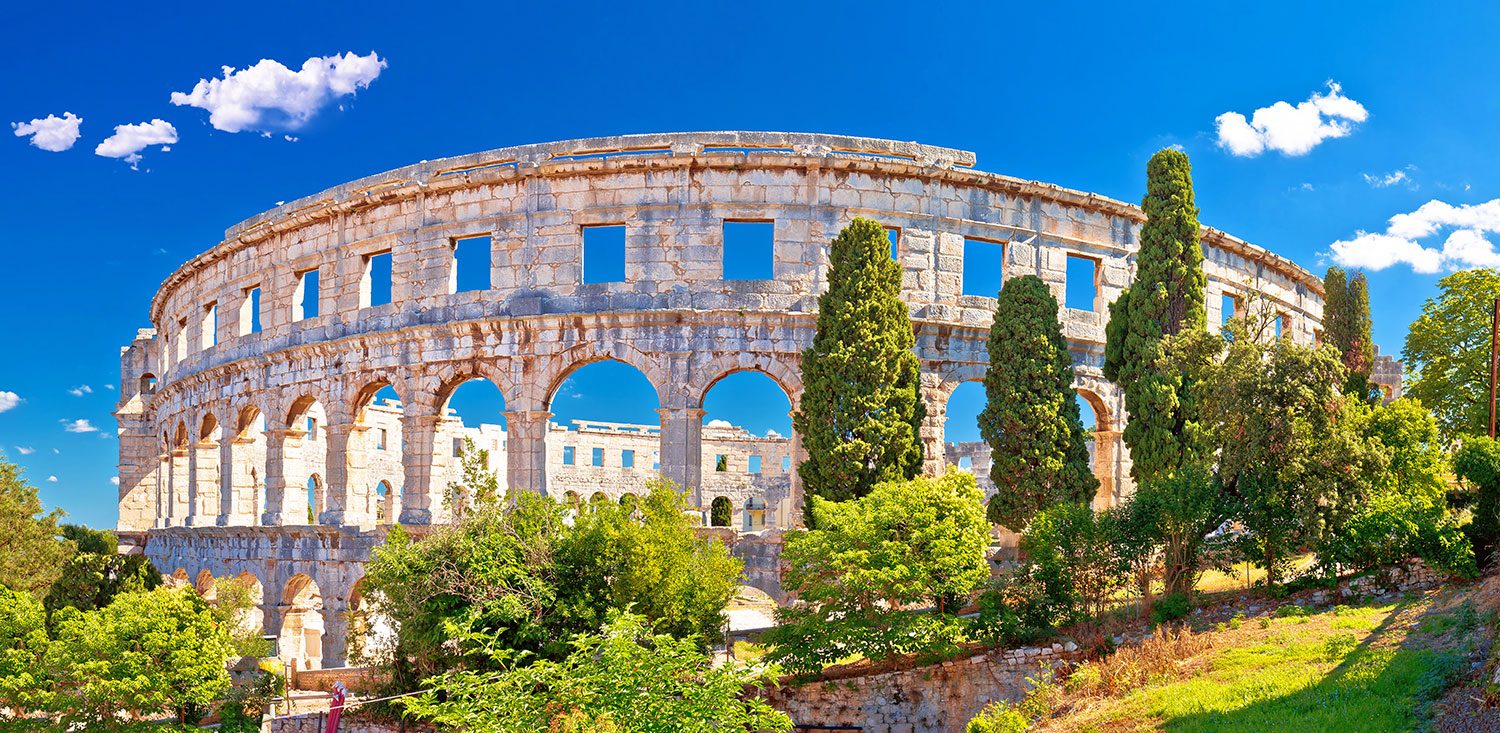
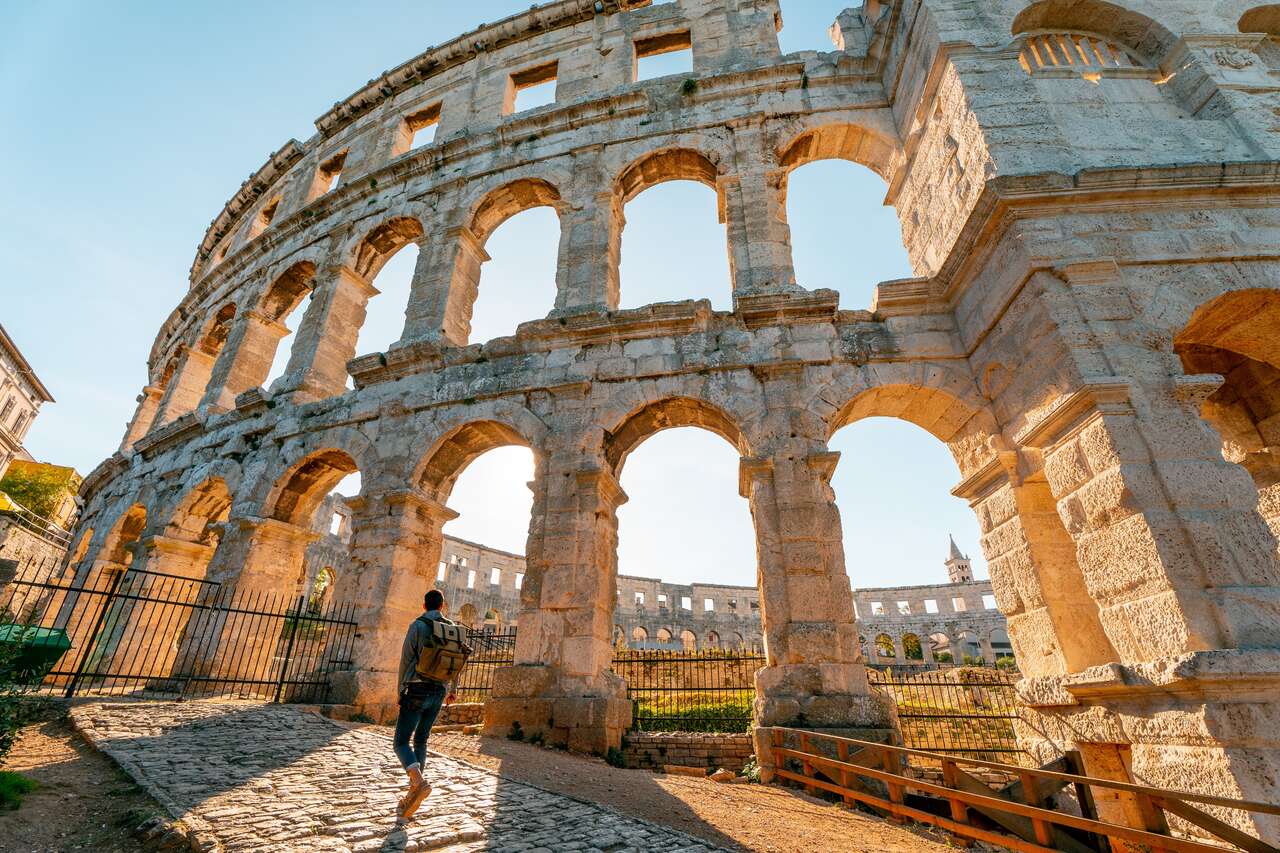
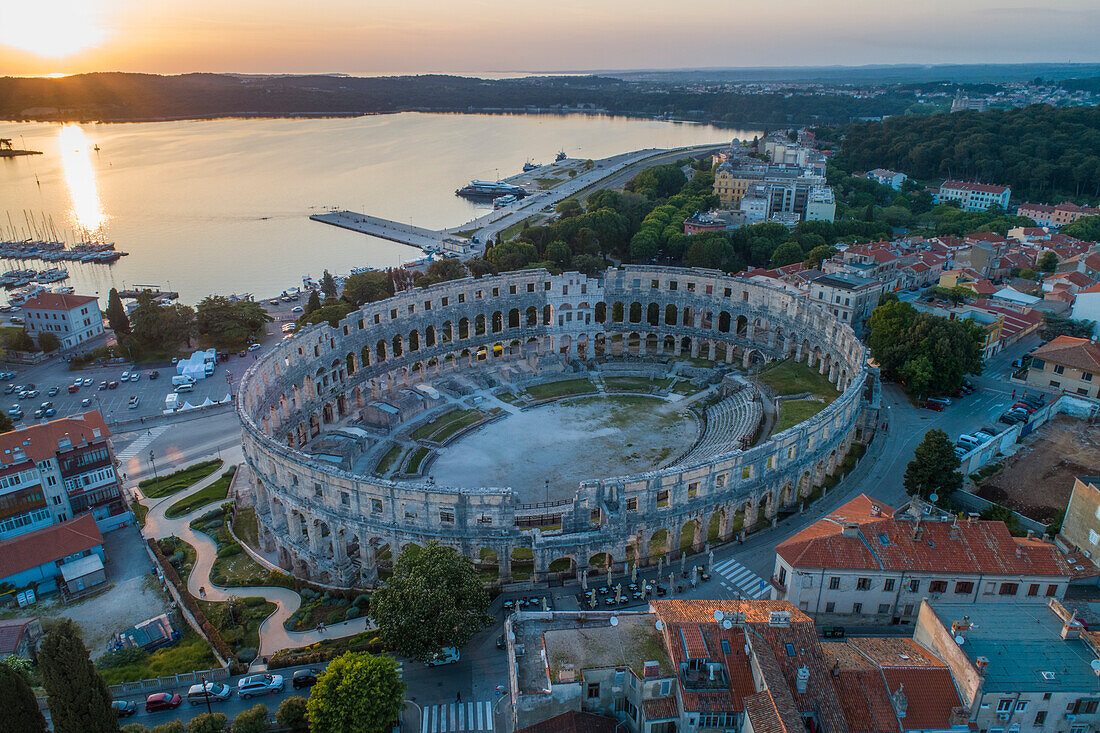
All four of the amphitheatre's original side towers still stand, a rarity among surviving Roman amphitheatres and a detail that distinguishes Pula's structure from more fragmentary sites elsewhere. The two-tiered arcade of 72 arches wraps the full oval perimeter, largely intact after roughly two millennia.

Upper Terraces

Upper Terraces

Climbing the original stone seating tiers offers a vantage over the amphitheatre's full oval footprint and out toward Pula's harbor and the Adriatic coastline. In Roman times these tiers accommodated an estimated capacity in the tens of thousands, far beyond what modern events at the venue can hold.

Olive Oil and Wine Exhibition

Olive Oil and Wine Exhibition

Housed in the underground chambers, this exhibition displays Roman-era presses and containers used for producing olive oil and wine, a detail connecting the monument to Istria's ancient agricultural economy beyond its role as an entertainment venue. Information panels trace how these goods moved through the wider Roman trade network.

The experience

What visiting Pula Arena is really like

You arrive at Flavijevska Street between 08:00 and 09:30, when the temperature is still bearable and the tour groups have not yet formed queues at the gate. The ticket desk opens at 08:00; adult entry is 10 EUR.

Read more Show less

Pula Arena Tickets tours typically begin here, at the northern entrance, where the wall stands closest to its full height.

You step through and the ellipse opens. You walk the perimeter first, tracing the inside of the outer wall, counting the arches as the light moves across the limestone. You climb to the upper seating on the seaward side and stop. From there you see the harbour, the cranes of the Uljanik shipyard, and the ring of the arena floor below at the same time.

Then you descend. The underground passages are cool and low, and this is where you slow down. You pause at the amphorae, the olive presses, the reconstructions of Istrian oil production laid out along the corridor. You read two or three panels properly rather than skimming twelve.

You surface again into full sun. You walk the arena floor itself, standing where the sand once was, and you look up at the towers from the inside. Ninety minutes have passed. You leave through the same gate and the queue you avoided is now forty people long.

Pula Arena Tickets
Everything You Need to Know

Your complete Pula Arena guide

All the details about your upcoming adventure in one place

Visiting the Amphitheatre with Pula Arena Tickets

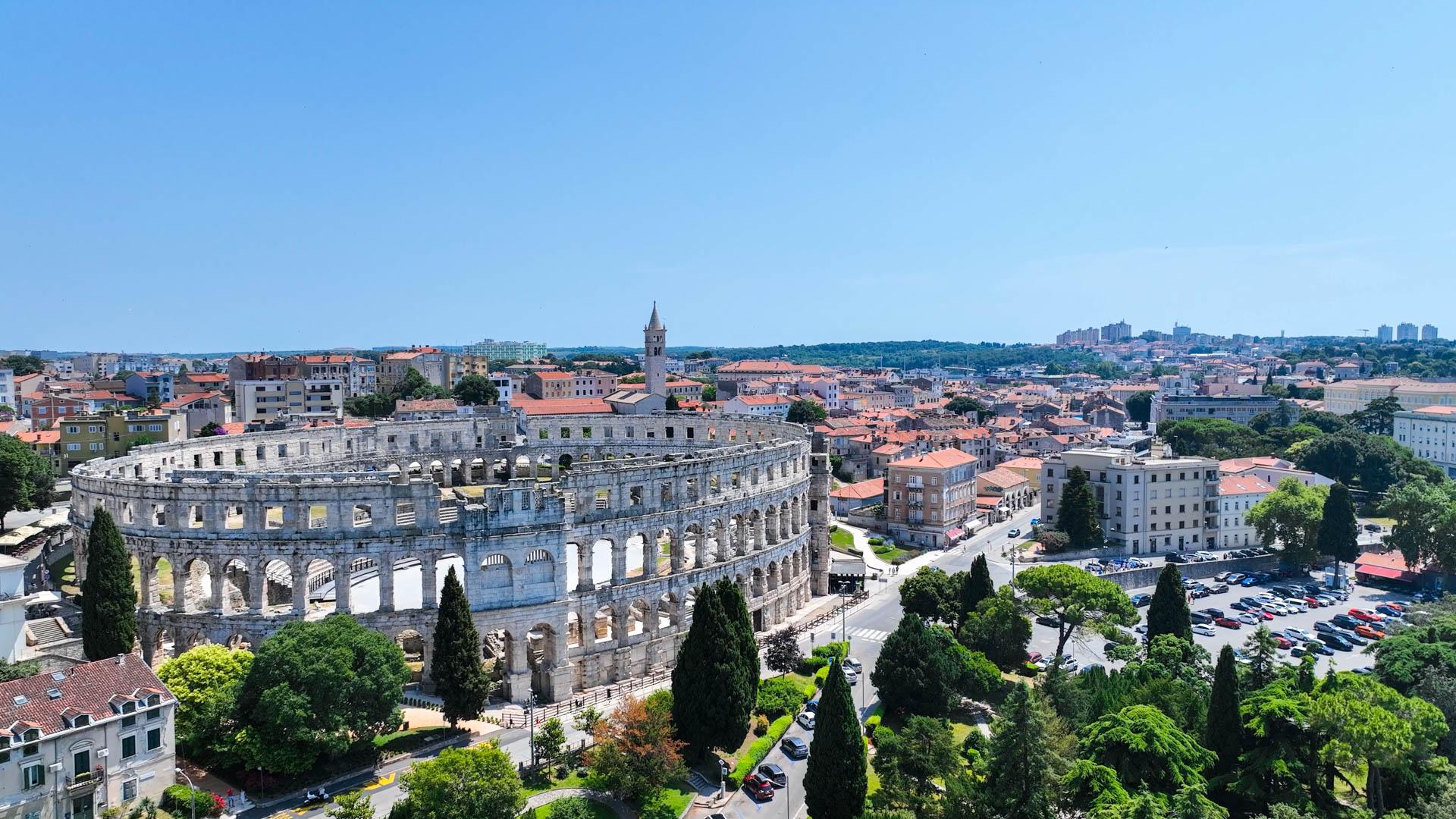
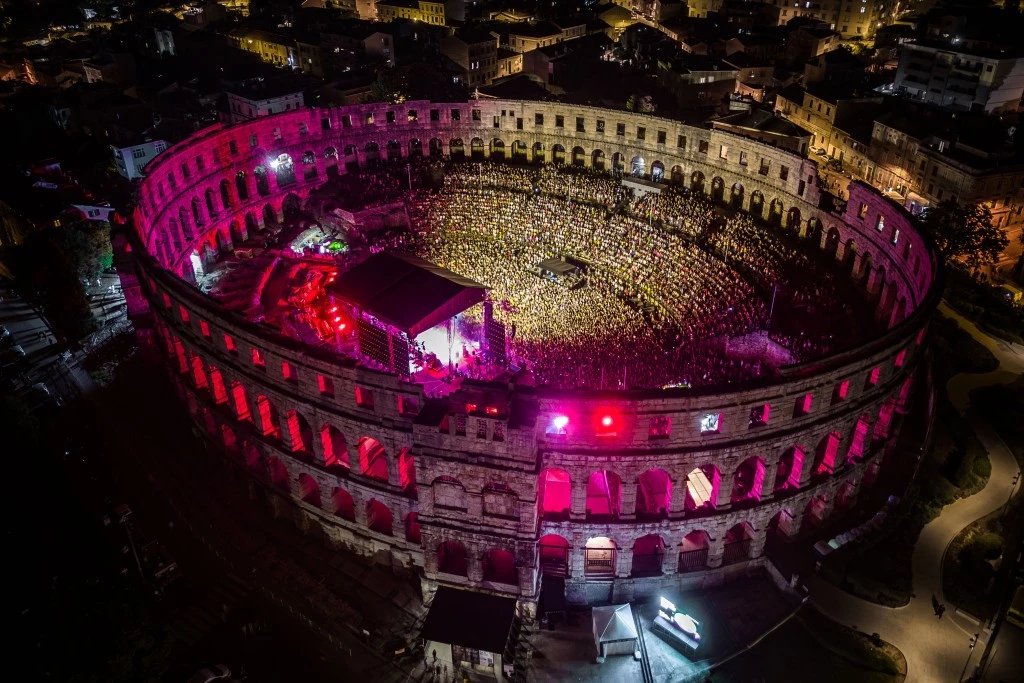
Pula Arena Tickets give you entry to the first-century Roman amphitheatre on the Istrian coast, one of the few surviving examples with all three architectural orders and its complete outer wall intact. Inside, the elliptical arena floor opens onto the limestone tiers, while the underground passages beneath house a permanent exhibition on olive oil and wine production in Roman Istria. Guided Pula Arena Tickets tours add context on the gladiatorial games, the sea-facing towers, and how the monument became the city's main concert venue.

The Pula amphitheatre is the only surviving Roman arena in the world that retains all three of its original architectural orders and all four side towers intact. That completeness is the fact around which everything else at Flavijevska Street arranges itself.

Built under the Flavian emperors in the first century, the structure served a colonial town of modest size yet was scaled for roughly twenty-three thousand spectators. Venetian merchants later quarried its stone for building projects across the Adriatic until a senator intervened to stop the dismantling. Those two framing episodes — imperial ambition and near-destruction — explain why demand for Pula Arena Tickets today rests on a rarity rather than a spectacle.

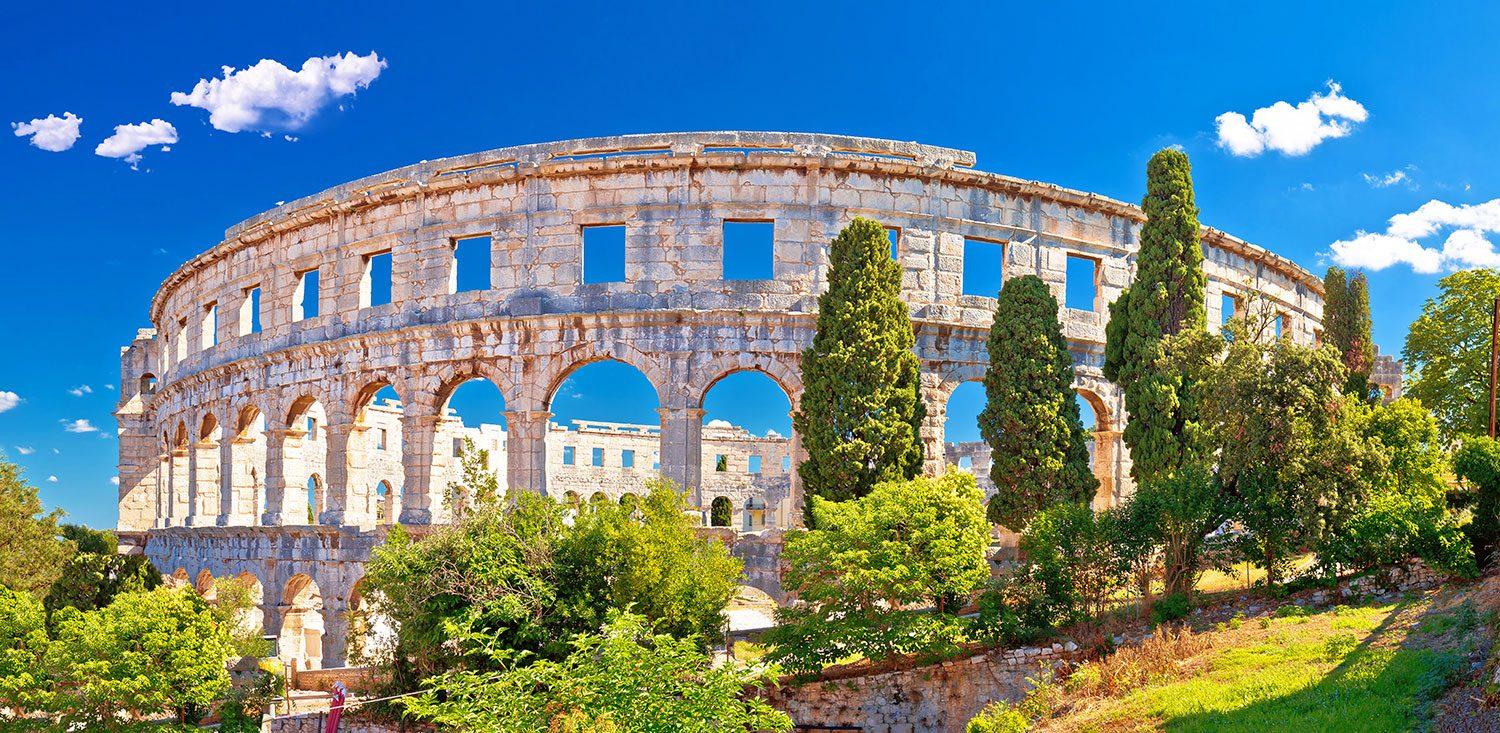
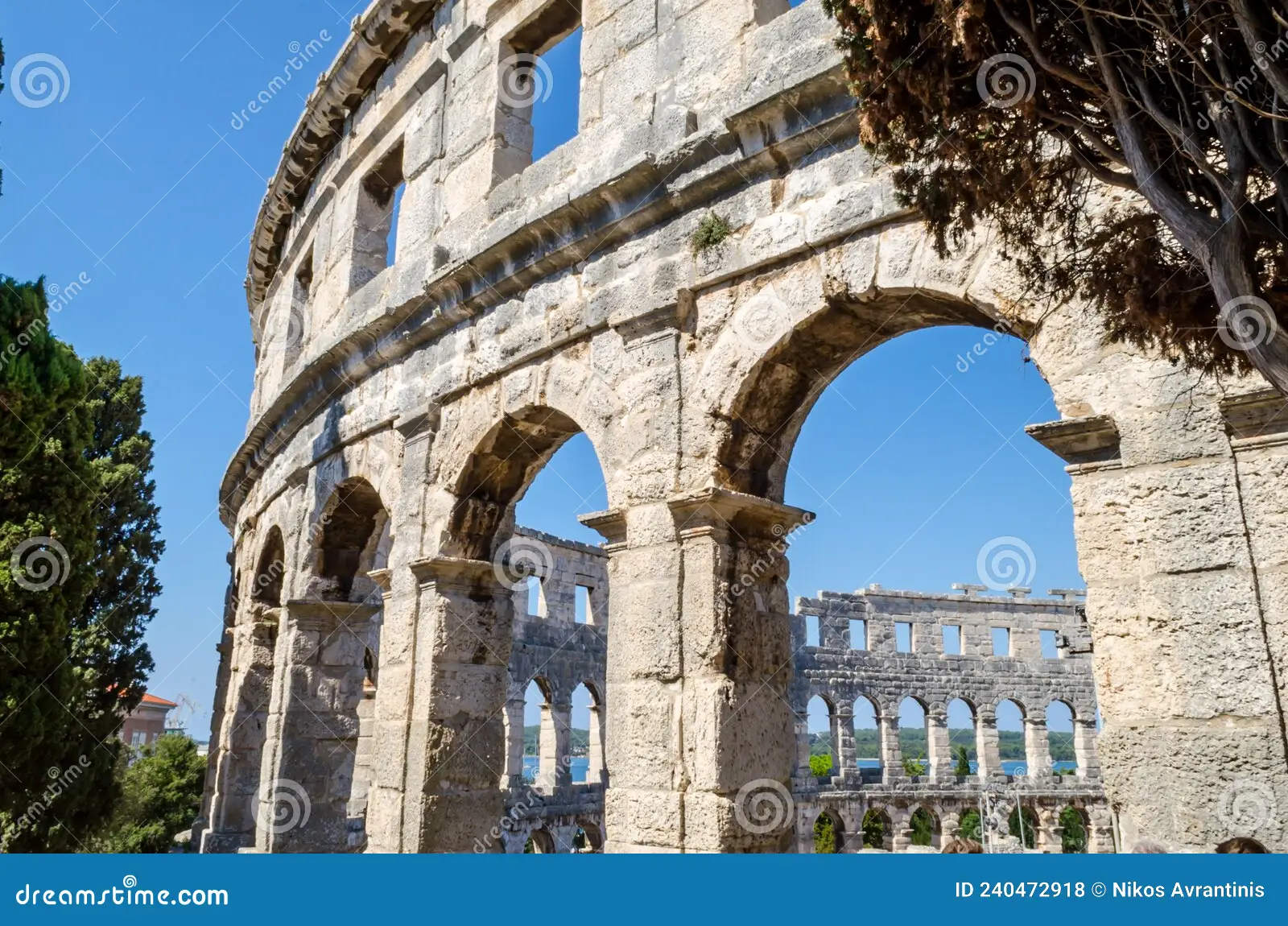
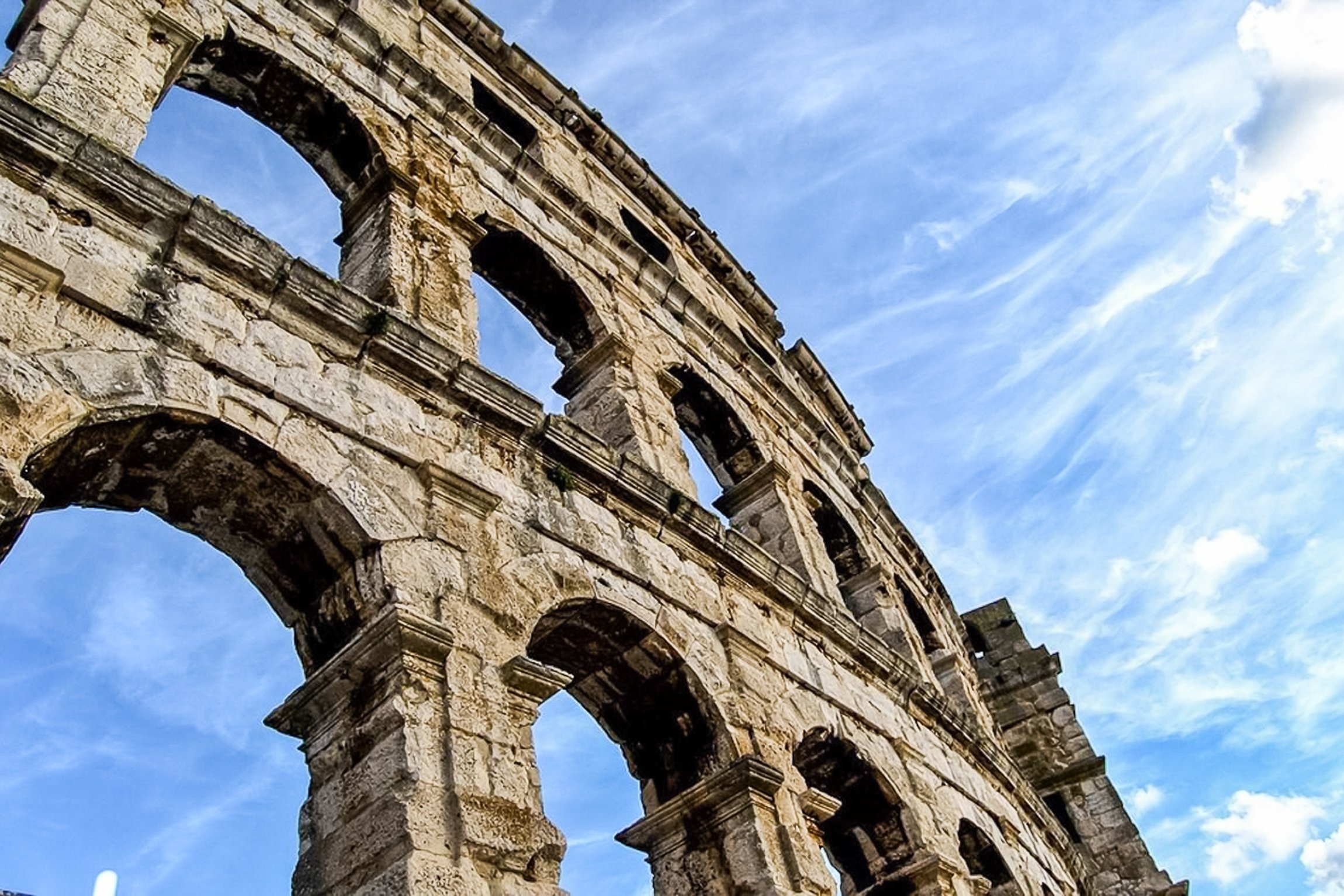
The architecture rewards slow reading. The outer wall rises in three storeys of local limestone, quarried from the Kavran district a short distance inland: two tiers of arches, seventy-two in total, topped by a rectangular attic storey. The four towers are the anomaly. Each contained cisterns for perfumed water and staircases threading up through the wall, a design found nowhere else in the Roman world. The elliptical arena floor measures roughly 68 by 42 metres. Beneath it run the underground passages once used to move animals and equipment, now housing a permanent exhibition on Istrian viticulture and olive oil production — amphorae, presses, reconstructed milling stones. Visitors booking guided Pula amphitheatre tours generally spend most of their time in these subterranean corridors, where interpretation panels do the heavy work.

What matters now is that the building never became a ruin in the museum sense. It remains in use. The Pula Film Festival has projected onto a screen inside the arena since 1954, and summer concerts fill the tiered seating that modern engineers installed over the original cavea. The Roman theatre on Monte Zaro, the Temple of Augustus and the Arch of the Sergii complete a compact circuit of Pula landmarks within walking distance, but none carries the same continuity of function.

UNESCO tentative-list status and Croatia's own conservation programme have kept restoration ongoing for decades, largely in the form of stone consolidation on the seaward face, where salt air does its slow damage. Those choosing Pula Arena Tickets tickets in 2026 encounter a monument mid-repair, which is arguably its most honest condition. It has been under repair, in one form or another, for nineteen hundred years.


It has been under repair, in one form or another, for nineteen hundred years.
Dress code

There is no formal dress code for visiting the amphitheatre, but the stone terraces and underground passage get warm and glare-heavy in summer, so light, breathable clothing works best. Closed-toe, flat shoes are strongly advised, since the original Roman stone steps are uneven, worn smooth in places, and lack handrails on several sections.

Bags & security

Visitors pass through a ticket check at the Flavijevska Street entrance rather than a metal-detector screening, though staff may inspect larger bags. Because Pula Arena Tickets holders have no on-site locker or storage room, it's best to carry only a small daypack or crossbody bag through the site.

Photography

Personal photography and video are permitted throughout the amphitheatre, including on the arena floor and in the underground olive-oil and wine-press exhibition. Tripods and drone use require prior authorization from the site's management, and flash photography is discouraged inside the darker underground chambers.
Families & strollers

Children move easily around the open arena floor, and the underground exhibition on ancient olive-oil and wine production tends to hold younger visitors' attention longer than the upper terraces. Supervise kids closely on the stone steps and low parapets, since guardrails are limited in keeping with the monument's historic fabric.
Accessibility

The arena floor and main entrance are reachable via a ramped approach suitable for wheelchairs and strollers, but the upper seating tiers and the underground gladiator passage are reached only by original Roman stone stairs without lifts. Visitors with mobility limitations can still view the full oval structure and much of the ground-level exhibition without climbing.

Food & drink

No cafés, vendors, or drink stands operate inside the amphitheatre itself, so bring a water bottle, particularly for a midsummer visit. Restaurants, konobas, and gelaterias line the surrounding streets and waterfront just steps from the Flavijevska Street entrance for a meal before or after.

Not allowed

× Drones without permit × Tripods without authorization × Glass bottles × Alcohol × Large suitcases × Selfie sticks during events × Skateboards or scooters × Loudspeakers × Open flames or candles × Weapons or sharp tools × Pets other than service animals × Spray paint or markers

What to bring

✓ Water bottle ✓ Sun hat ✓ Comfortable flat shoes ✓ Small daypack ✓ Sunscreen ✓ Light layer for evening visits ✓ Camera or phone ✓ Cash for the souvenir kiosk

Opening hours

Mon 08:00 – 22:00

Quiet before 09:00

Tue 08:00 – 22:00
Wed 08:00 – 22:00

Local group visits midday

Thu 08:00 – 22:00
Fri 08:00 – 22:00

Busier afternoons in summer

Sat 08:00 – 22:00

Weekend crowds after 10:00

Sun 08:00 – 22:00

How to get there

Closures & exceptions

  • ·Jan 1 — New Year's Day
  • ·Event evenings — Early closure for concerts/festival

At a glance

Opening hours

Daily 08:00–22:00, all seven days of the week

Opening hours

08:00 – 22:00

Getting there

City-center access via metro and bus

Accessibility

Most experiences are wheelchair-friendly — check individual tours

What to bring

Comfortable shoes, water, phone for mobile voucher

Getting there

Walk · 10-15 min from Old Town · Free

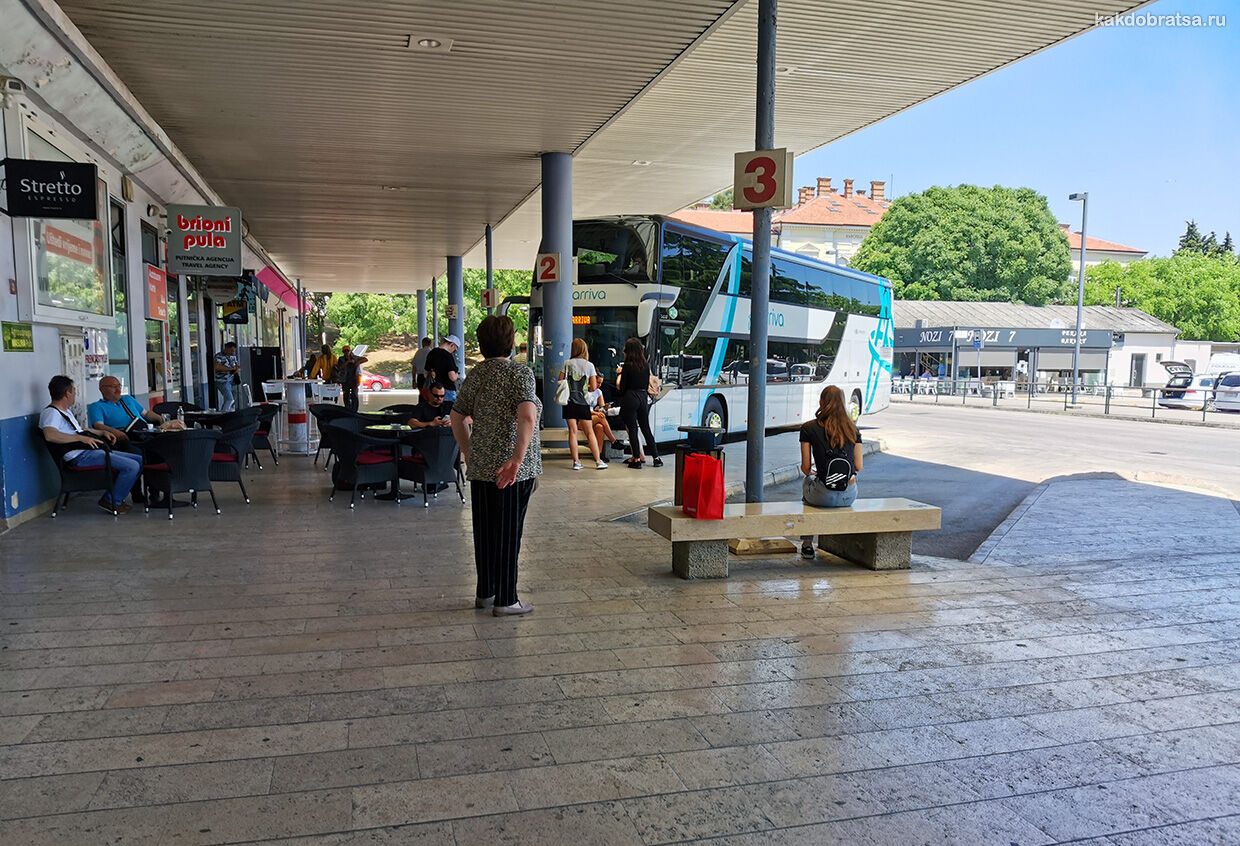
The amphitheatre sits at the edge of Pula's Old Town, roughly 800 meters from the main bus station and a similarly short stroll from the Roman Forum and waterfront.

Public transport · 5-10 min bus ride · A few euros per ticket

Local Pula city buses stop within a few minutes' walk of Flavijevska Street, and the main bus station itself is about 800 meters away.

Car · Varies with traffic · Metered parking fees apply

Street parking and paid public lots surround the amphitheatre, though spaces fill quickly on summer mornings and during festival dates; arriving before 09:00 improves your odds.

Taxi · 5-10 min from city center · Metered fare

Taxis and rideshare drop-offs operate directly along Flavijevska Street beside the amphitheatre's harbor-facing wall.

Cancellation policy

Pula Arena Tickets booked online are generally non-refundable and non-exchangeable once purchased, in line with the amphitheatre's prepaid-admission policy. The 10 EUR adult entrance fee is paid per person at the time of booking or at the gate, and last entry is typically permitted up to one hour before closing.

Plan your time

Planning Your Pula Arena Tickets Visit: How Long to Stay and When Crowds Peak

Recommended time

45-90 minutes

Most independent visitors need 45 to 90 minutes for Pula Arena Tickets entry, enough time to walk the arena floor, climb the stone terraces, and explore the underground passages and small museum. Add 20-30 minutes if you're joining a guided walk or lingering for photos, and subtract time if you're only doing a quick loop of the ground level. Queues build steadily once tour buses start arriving mid-morning, so the gate line at opening is usually short, while midday can mean a real wait to get through the ticket check.

Crowd levels through the day

Gate opening Light
Mid-morning (tour groups arrive) Building
Midday Peak
Early afternoon Heavy
Late afternoon Easing
Early evening Quiet
Plan ahead

Best time to visit Pula Arena

Weather · crowds · average price — dots go green to amber to red as each metric rises.

Spring (April-May)

Daytime temperatures sit in the mild high teens to low 20s Celsius, and cruise-ship and coach-tour volumes are noticeably lower than summer. This is a comfortable stretch for walking the upper terraces without midday heat.

Summer (June-August)

Peak season brings the warmest weather, the busiest midday hours, and the Pula Film Festival held inside the amphitheatre each July. Coach groups typically arrive from mid-morning onward, so early or late visits are markedly quieter.

Autumn (September-October)

Warm sea temperatures persist into September while visitor numbers taper off from the summer peak, making this a favored shoulder-season window. By October, cooler evenings suit longer outdoor exploration.

Winter (November-March)

The amphitheatre hosts far fewer visitors and the Advent-in-the-Arena ice-skating program runs through the December-January holiday period. Coastal winter weather is mild but can be windy, and layered clothing is worth packing.

Insider tips

Helpful tips for visiting Pula Arena

Book ahead in midsummer

July and August see heavy coach-tour traffic, so purchasing Pula Arena Tickets online in advance avoids a queue at the Flavijevska Street gate.

Watch the event calendar

Concerts and the Pula Film Festival occasionally shorten public visiting hours, so checking the official site before your date protects against a same-day surprise.

Wear real shoes, not sandals

The original Roman stone steps in both the upper terraces and underground passage are uneven and can be slick after rain.

Pair it with a Forum walk

Combining Pula Arena Tickets tours with a stroll to the nearby Temple of Augustus and Arch of the Sergii covers Pula's core Roman sites in one loop.

Carry cash for small purchases

The on-site souvenir kiosk and nearby cafés don't always accept cards for small transactions.

Mind the midday sun

The amphitheatre's stone terraces offer little shade, so a hat and water matter more here than at shaded museum interiors.

Check for local free-entry days

Some Croatian state holidays occasionally waive the standard entrance fee for citizens; foreign visitors should confirm current terms before assuming a discount applies.

Where to meet

Pula Arena meeting points

Main entrance gate

Main entrance gate

Arena, Flavijevska Street, 52100 Pula, Croatia

Primary ticket check and start point for all Pula Arena Tickets holders

Get directions

Harbor-side exterior wall

Flavijevska Street, facing the Adriatic

Popular exterior photo spot before entering, near the taxi drop-off point

Get directions
The story

The History Behind Your Pula Arena Tickets: From Roman Gladiators to Modern Festivals

The amphitheatre began under Augustus as a modest wooden structure. Stone construction followed under Claudius. The building reached its final form under Vespasian, the first Flavian emperor, in the same decades that raised the Colosseum in Rome. Titus completed the work around 81 AD. Local historians long credited Secundilla Antonia, a Pula woman said to have funded an enlargement, though the attribution rests on a single inscription and remains disputed. The limestone came from quarries at Cave Romane, north of the city, and the site was deliberately chosen on a slope so the hillside carried part of the load. Sixteen large rectangular towers punctuate the outer wall, unique among surviving Roman amphitheatres; they housed cisterns for perfumed water and staircases. The street address today, Flavijevska Street, preserves the dynasty's name. Gladiatorial combat ended in the fifth century, and the building entered a long decline. Medieval Pula treated it as a quarry. Stones were carted off for houses, for the bell tower of the cathedral, and for the town's defences. In 1583 the Venetian Senate debated dismantling the amphitheatre entirely and reassembling it in Venice. Senator Gabriele Emo argued against the plan and won; a plaque on the second tower commemorates him. General Marmont ordered restoration during the Napoleonic administration in 1816, and the Austrian architect Pietro Nobile directed further consolidation. Visitors buying Pula Arena Tickets today walk through a monument saved by a single Venetian vote. The twentieth century brought a second transformation. The underground passages, once used to move animals and fighters, were converted into a museum of Istrian viticulture and olive oil production. Since 1953 the arena has hosted the Pula Film Festival, and the seating installed for concerts holds roughly five thousand. Performers from Luciano Pavarotti to Nick Cave have used the Roman shell as a backdrop. Guided Pula Arena Tickets tours cover the subterranean galleries and the amphitheatre floor, while Pula Arena Tickets tickets purchased at the gate cost 10 EUR for adults. A Pula Arena Tickets tour also situates the building among the city's wider Roman landmarks, including the Temple of Augustus and the Arch of the Sergii. Croatian visitors still call it simply Pulska Arena.

27 BC–14 AD

A wooden amphitheatre is built at the site under Augustus.

c. 41–54 AD

Reconstruction in stone begins under the emperor Claudius.

c. 81 AD

The amphitheatre reaches its final Flavian form under Vespasian and Titus.

5th c.

Gladiatorial contests cease following imperial bans on the games.

Middle Ages

Citizens quarry the outer walls for houses, defences and the cathedral bell tower.

1583

The Venetian Senate rejects a proposal to dismantle and move the arena to Venice.

1816

General Marmont orders restoration, later continued by architect Pietro Nobile.

1953

The first Pula Film Festival is held inside the amphitheatre.

Photo spots

Best Photo Spots for Your Pula Arena Tickets Visit

Upper Terrace Rows

Upper Terrace Rows

Best light · Before 09:00, harbor light

Climb to the surviving stone terraces on the upper level for a wide panorama over the arena floor and the harbor beyond; lean toward the seaward side for boats and rooftops in the frame. Booking Pula Arena Tickets in advance helps secure entry before the terraces fill with tour groups.

North Tower Exterior

North Tower Exterior

Best light · Golden hour

One of the two surviving side towers on the amphitheater's exterior gives a classic low-angle shot of the three-tiered facade against open sky, best captured from across Flavijevska Street. This spot works for a wide establishing shot of the whole structure.

Arched Corridor Passageway

Arched Corridor Passageway

Best light · Midday for even light

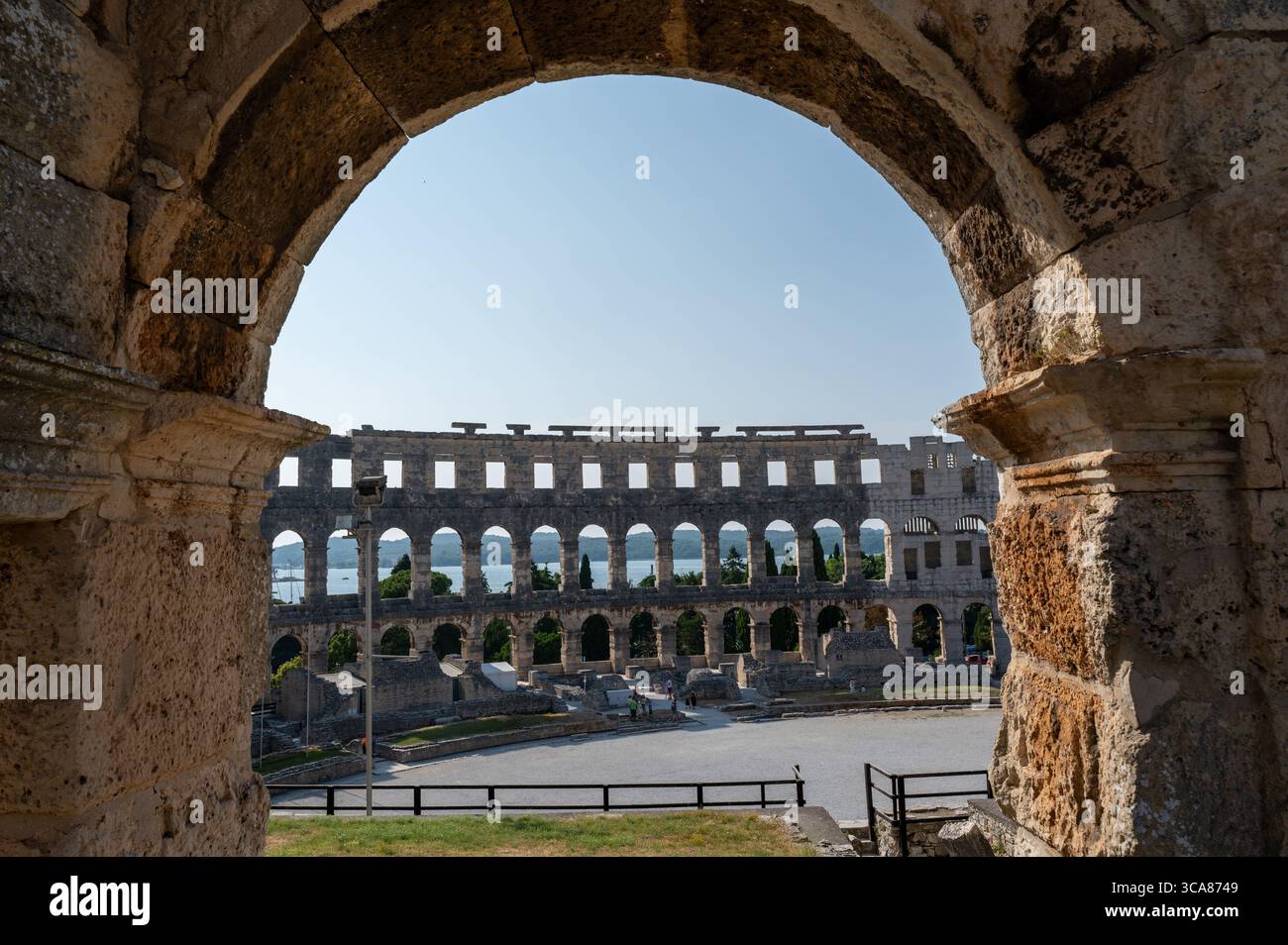
The ground-floor arcade corridors frame the arena floor through repeating stone arches, creating natural leading lines down the passage. Stand near the midpoint of a corridor and shoot straight through for symmetry.

Underground Passages

Underground Passages

Best light · Anytime, low light

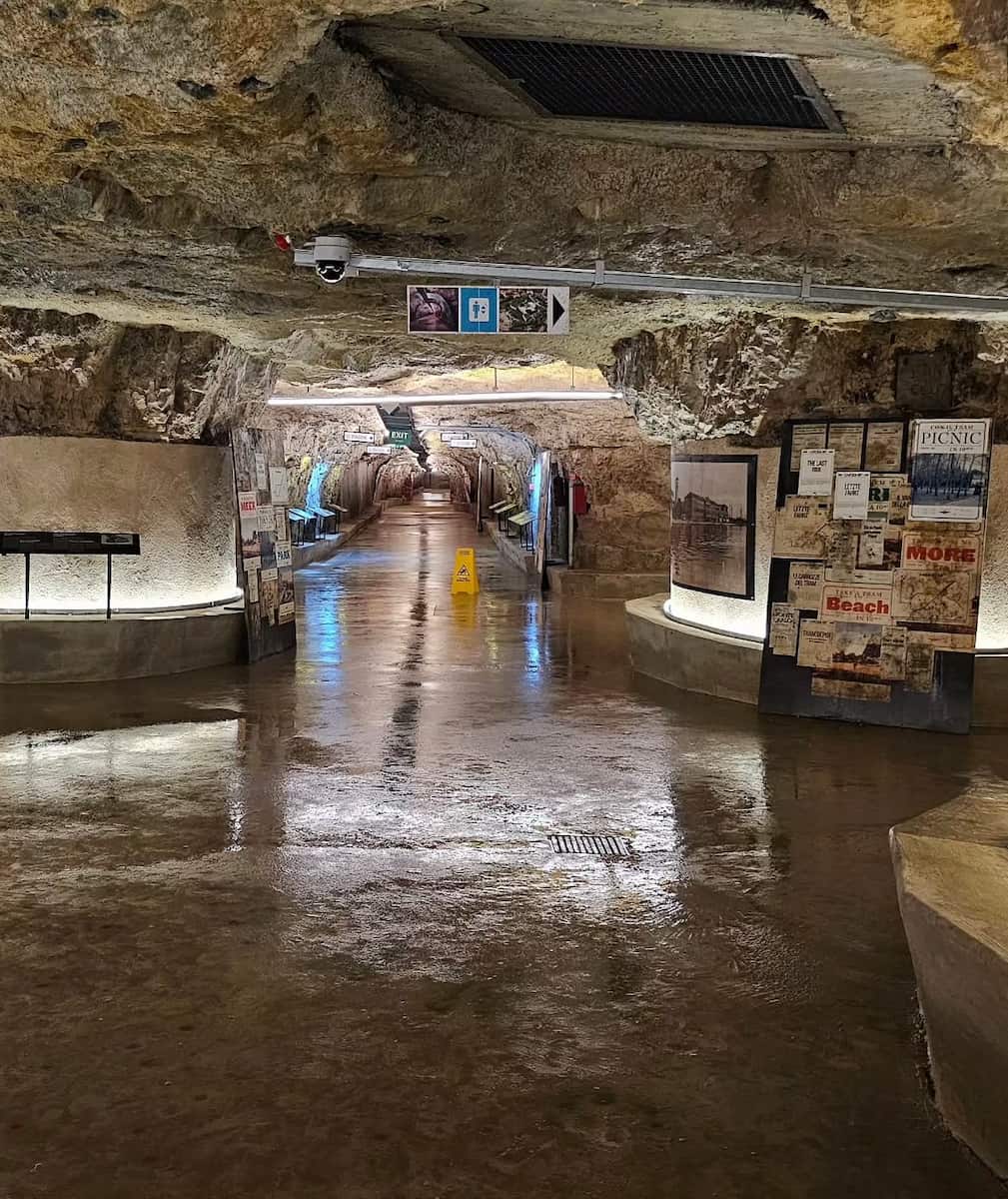
The subterranean galleries once used for gladiators and animal cages now hold an exhibition on Roman-era oil and wine production, lit with dim atmospheric lighting that suits moody close-up shots of stonework and artifacts. Space is narrow, so move slowly past other visitors.

Arena Floor Center

Arena Floor Center

Best light · Morning, soft light

Standing at the center of the oval arena floor and looking up captures the full bowl of terraces and arches in one frame, a classic shot for scale. It also anchors most guided Pula Arena tours and photo walks.

Gallery

Moments from Pula Arena

Customer Reviews

What travelers say about Pula Arena

Real experiences from real travelers

4.5
Based on 2,400 reviews
1 ★ 520
2 ★ 410
3 ★ 940
4 ★ 2960
5 ★ 11840
M
Marta K.
Poland · 2026-06-18

Cooler than expected inside

We booked Pula Arena Tickets online the night before and walked straight in at nine in the morning, before the stone had taken on the day's heat. Standing on the arena floor with the outer wall towering above you gives a real sense of how many people this thing once held. Bring a hat, there is almost no shade once the sun is high.

T
Tom Bexley
United Kingdom · 2026-05-02

Underground bit is the surprise

Most people wander the bowl and leave, but the passages below are worth the extra fifteen minutes — cool, dim, and full of old olive presses and amphorae. My partner used a skip-the-line amphitheatre entry pass and we were through the gate in under two minutes on a Saturday. The stone underfoot is uneven so wear proper shoes.

D
Diego Serrano
Spain · 2026-04-27

Evening concert, perfect acoustics

Saw a jazz set here in April and the sound carried beautifully off the limestone tiers. Arriving early meant we got seats low enough to see the sea through the arches as the light went. Pula Arena Tickets tickets for events sell separately from daytime entry, which caught a few people out at the gate.

A
Anneke de Vries
Netherlands · 2026-03-11

Solid stop, allow an hour

The Pula amphitheatre is smaller inside than photographs suggest, though the exterior wall is genuinely imposing from the harbour road. Signage is decent in English and German but the museum displays underneath are a little sparse. Went on a grey March morning and had the place mostly to myself.

K
Kenji Morishita
Japan · 2026-07-06

Best in early morning light

Arrived just after opening in July when the limestone was still pale gold and the crowds thin. From the outside the three tiers of arches frame the Adriatic in a way that is hard to describe. One of the more rewarding Pula landmarks if you like Roman engineering.

S
Sarah Lindqvist
Sweden · 2026-01-30

Quiet winter visit

Came in late January with a windy sea and almost nobody around, which made the scale of the place hit harder. Pula Arena Tickets tours run less frequently off-season so check schedules before travelling. The guide who took us round the perimeter knew a lot about how the stone was quarried nearby.

B
Bruno Almeida
Brazil · 2026-06-29

Kids loved the arena floor

My two ran laps on the gravel while I read about the gladiator displays under the south tower. The Pula Arena Tickets tour we joined lasted about forty minutes and was pitched well for a mixed-age group. Water fountains are limited so fill bottles beforehand.

C
Claudia Weiss
Germany · 2026-02-14

Roman engineering up close

What struck me was the masonry — huge blocks fitted without mortar, still standing after two thousand years of bora winds off the Adriatic. Amfiteatar u Puli is right on the edge of town so it is an easy walk from the old centre. Photography is straightforward from almost any angle on the lawn outside.

N
Nathan Reyes
United States · 2026-05-23

Better than Verona in some ways

Fewer people, closer access to the arena floor, and the sea right there behind the arches. We picked up Pula Arena Tickets at the gate on a Tuesday afternoon with no queue at all. Bring sunscreen — the reflected glare off the pale stone is stronger than it looks.

É
Élodie Marchand
France · 2025-11-08

Windy but worth it

Visited on a blustery November afternoon and the exposed tiers were genuinely cold, so pack a layer. The Pula amphitheatre tour guide pointed out the four towers that once held the awning system, a detail I would have walked past. Good value for the time it takes.

FAQ

Pula Arena — frequently asked questions

Everything you need to know for your journey

Around the corner

More to see near Pula Arena

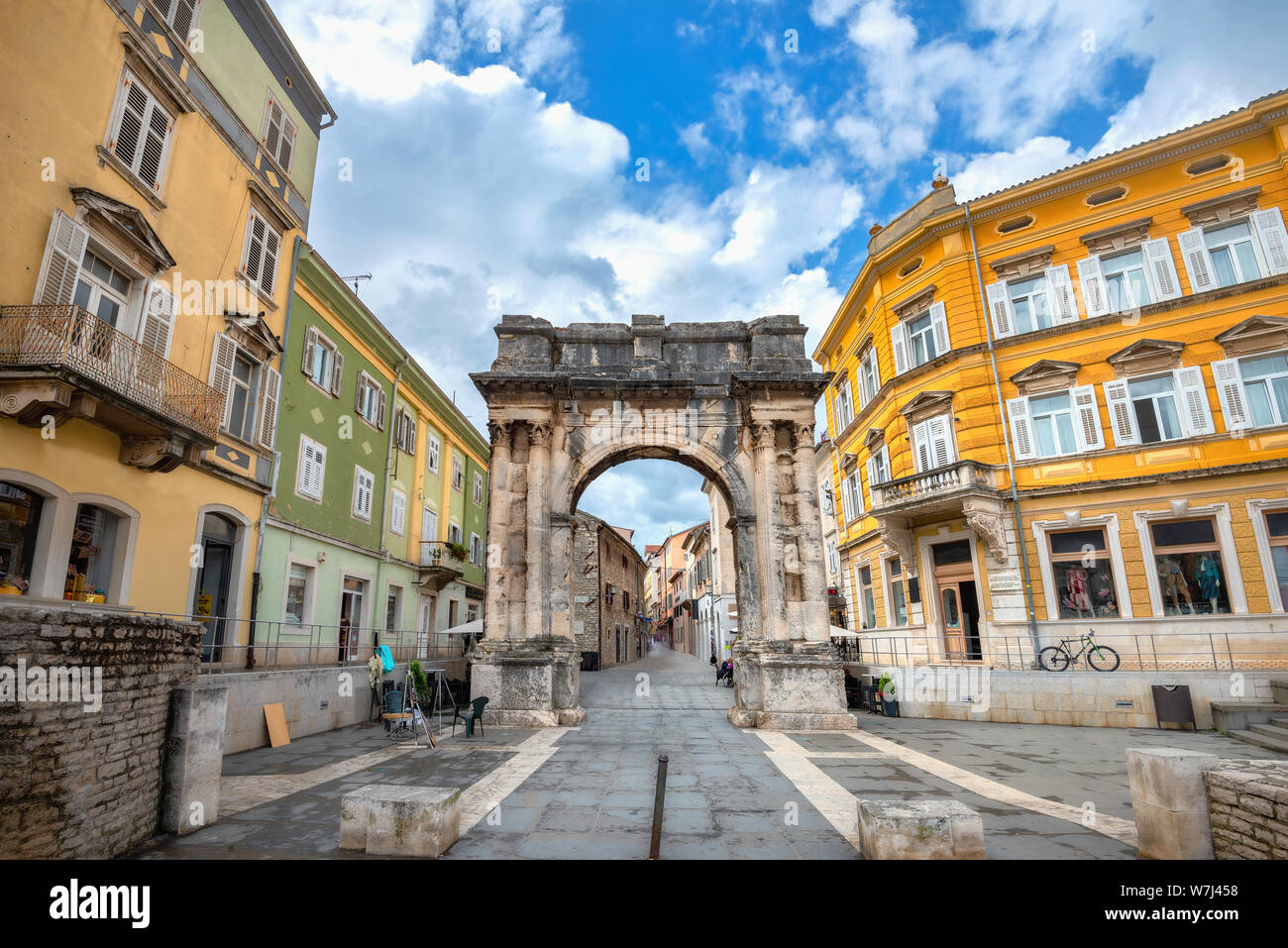
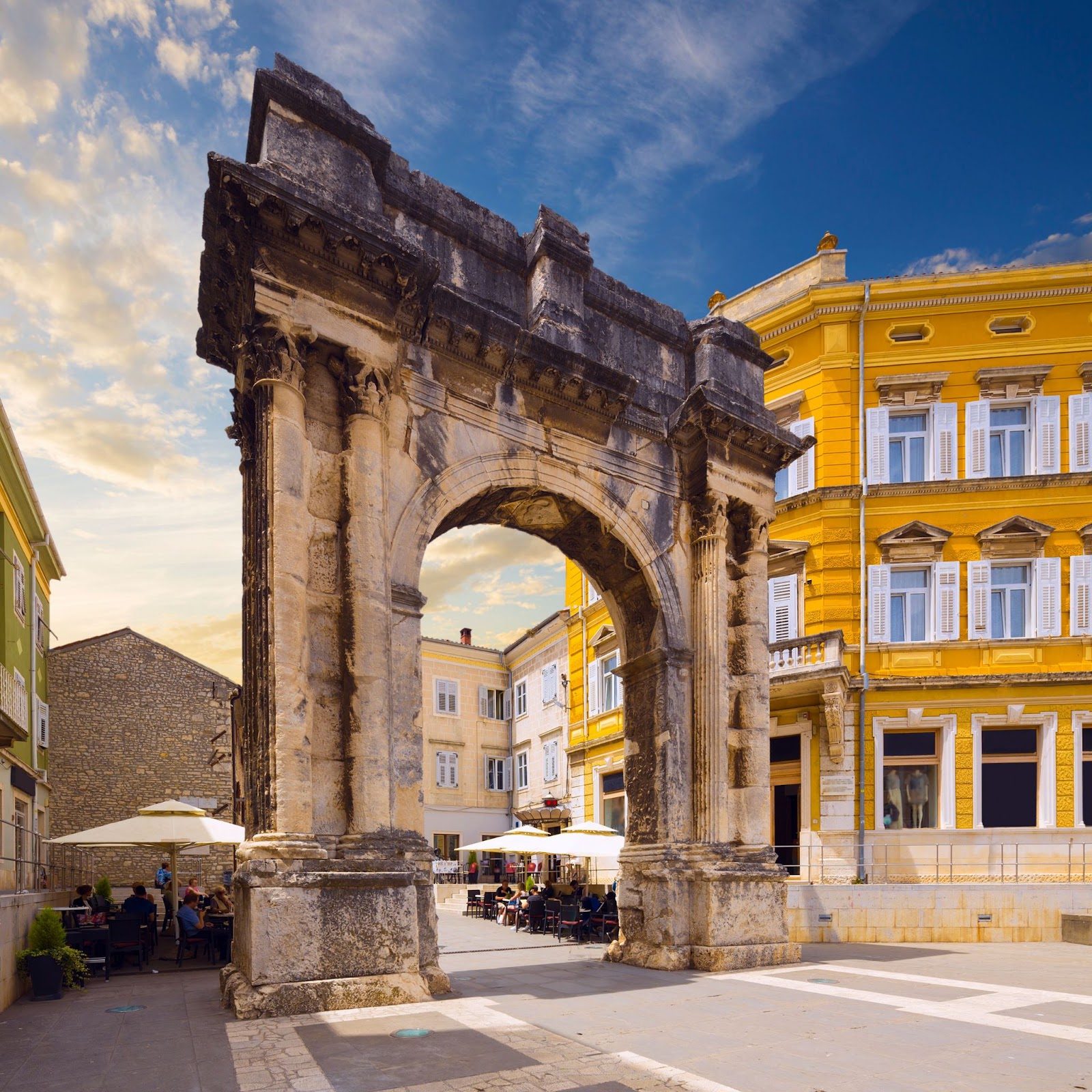
Arch of the Sergii

Arch of the Sergii

10 min walk

landmark

A 1st-century BC Roman triumphal arch marking the old entrance to the city, still standing over a pedestrian street lined with shops.

Roman Forum

Roman Forum

10-12 min walk

square

Pula's historic main square since antiquity, now surrounded by cafés and municipal buildings on the site of the ancient civic center.

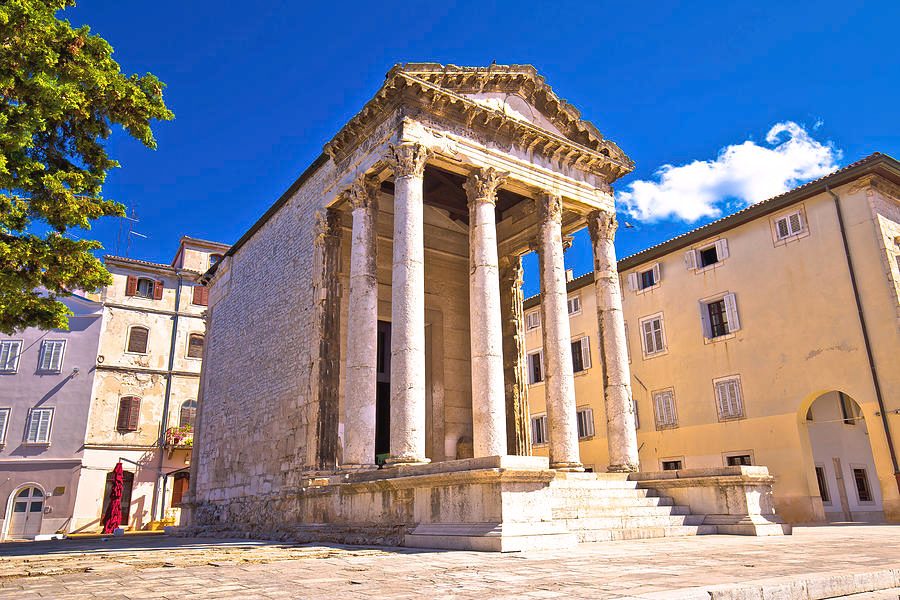
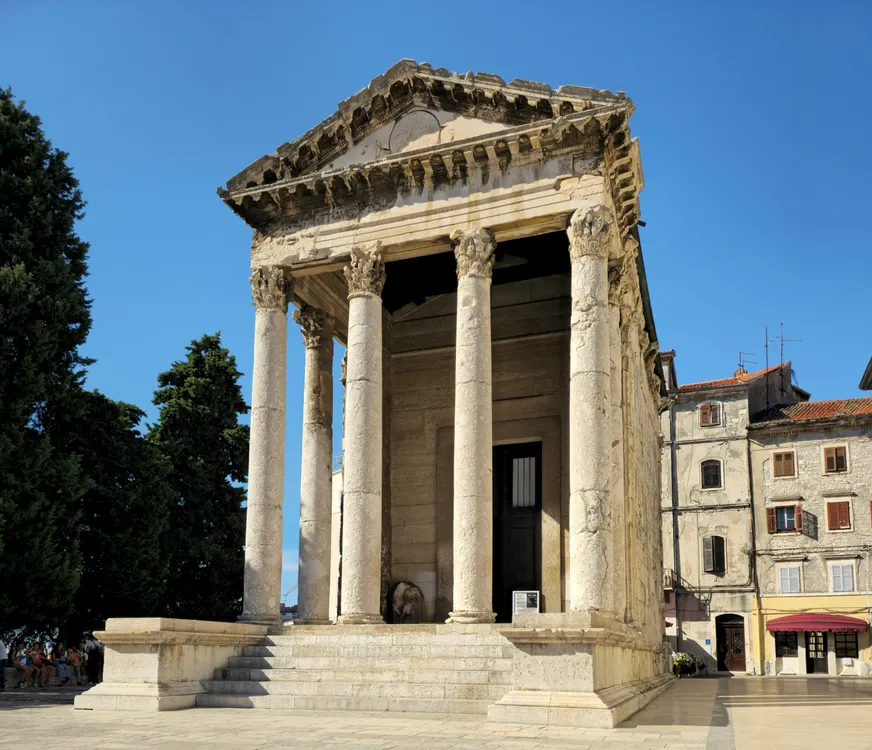
Temple of Augustus

Temple of Augustus

10-12 min walk

landmark

A well-preserved 1st-century AD temple dedicated to Emperor Augustus, standing on the edge of the Forum and housing Roman sculpture fragments.

Pula Cathedral

Pula Cathedral

12 min walk

church

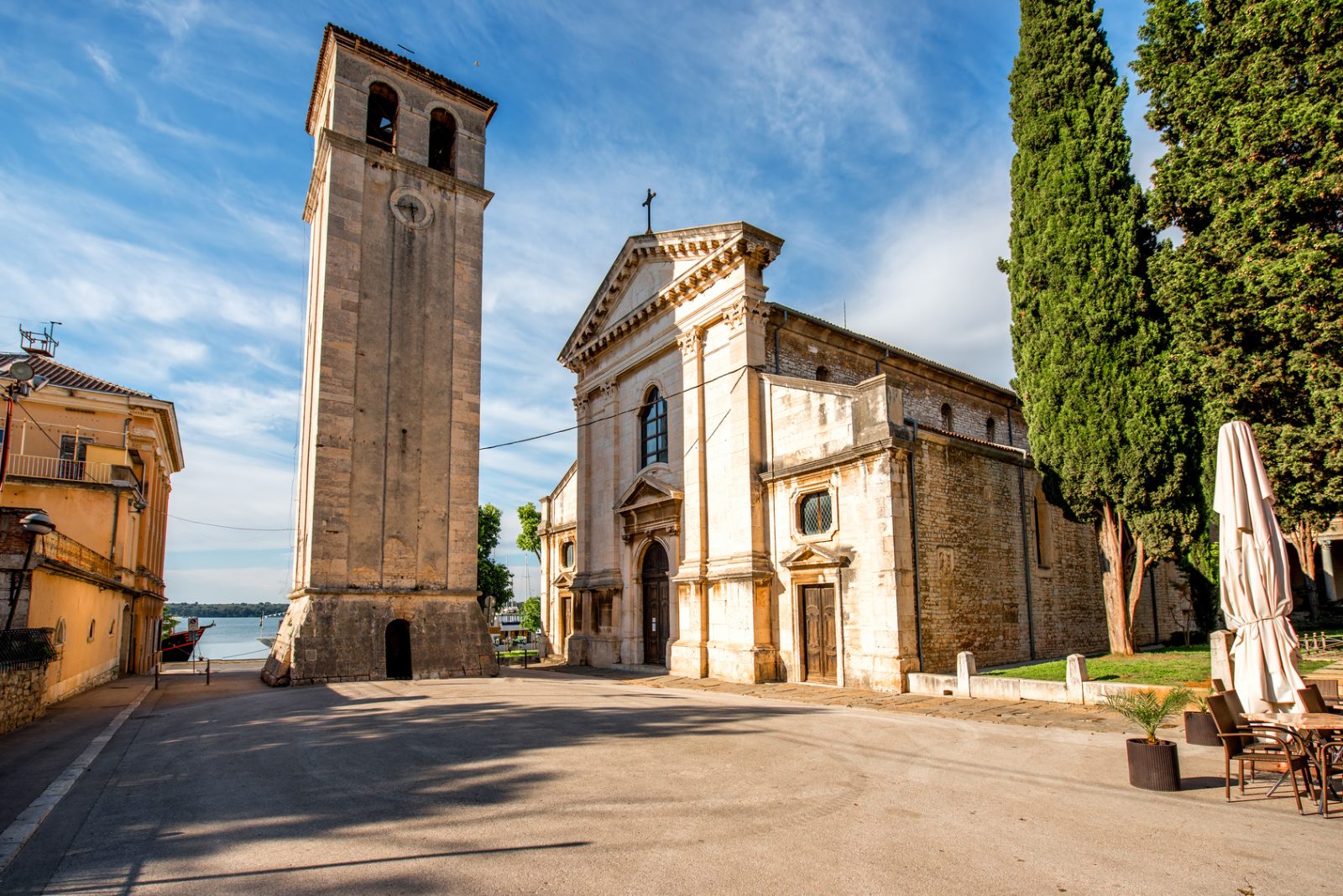
A waterfront cathedral built over earlier early-Christian basilicas, with a bell tower visible from the harbor promenade.

Zerostrasse tunnels

Zerostrasse tunnels

10 min walk

landmark

A network of early-20th-century military tunnels beneath the Old Town, open seasonally for self-guided walks.

Historical and Maritime Museum of Istria

Historical and Maritime Museum of Istria

12-15 min walk

museum

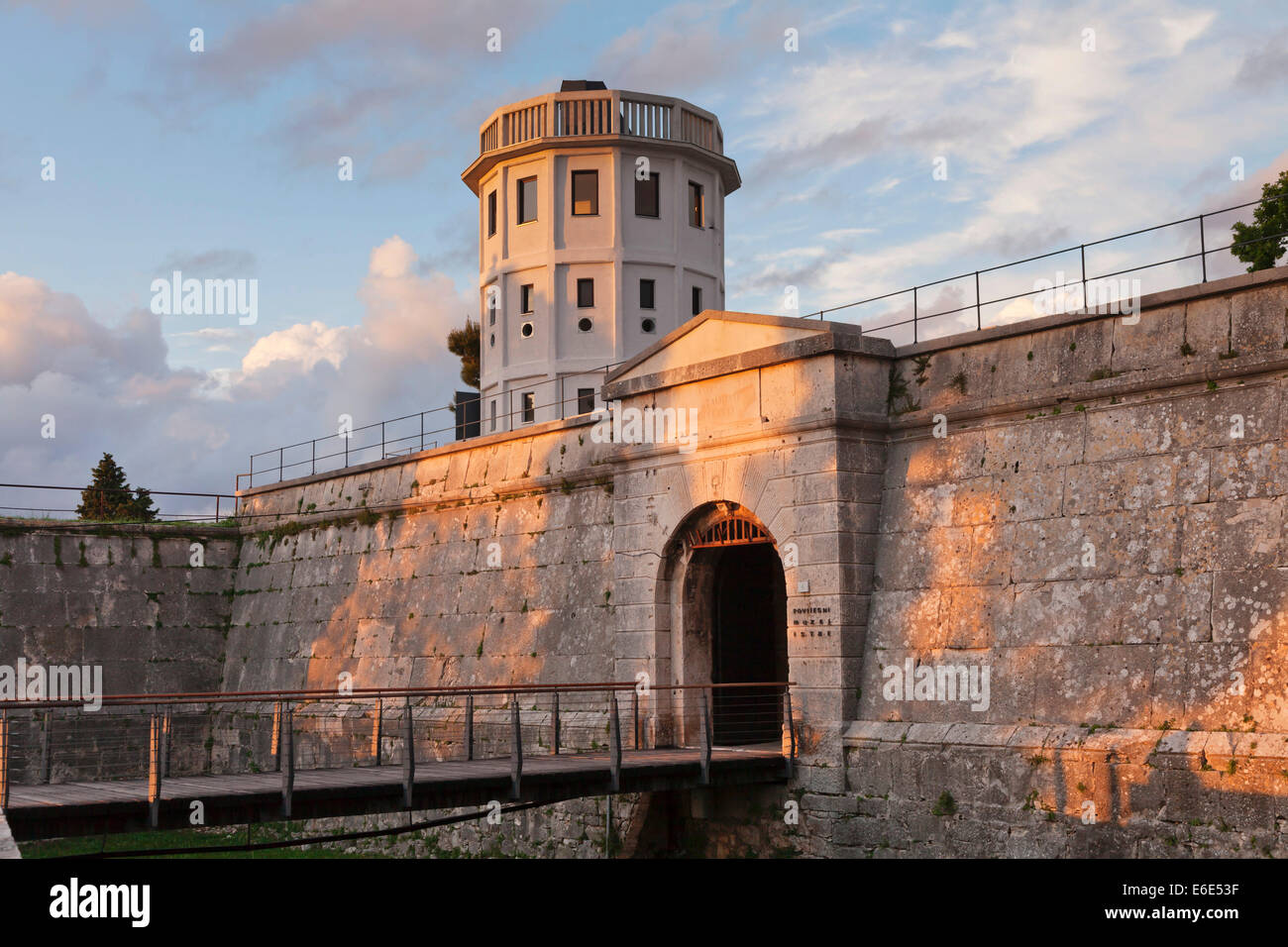
Housed inside a Venetian-era fortress on the hill above the Old Town, with exhibits spanning Istria's maritime and military history.

Where to stay

Where to stay near Pula Arena

Old Town Pula district

Old Town Pula district

5-10 min walk

district

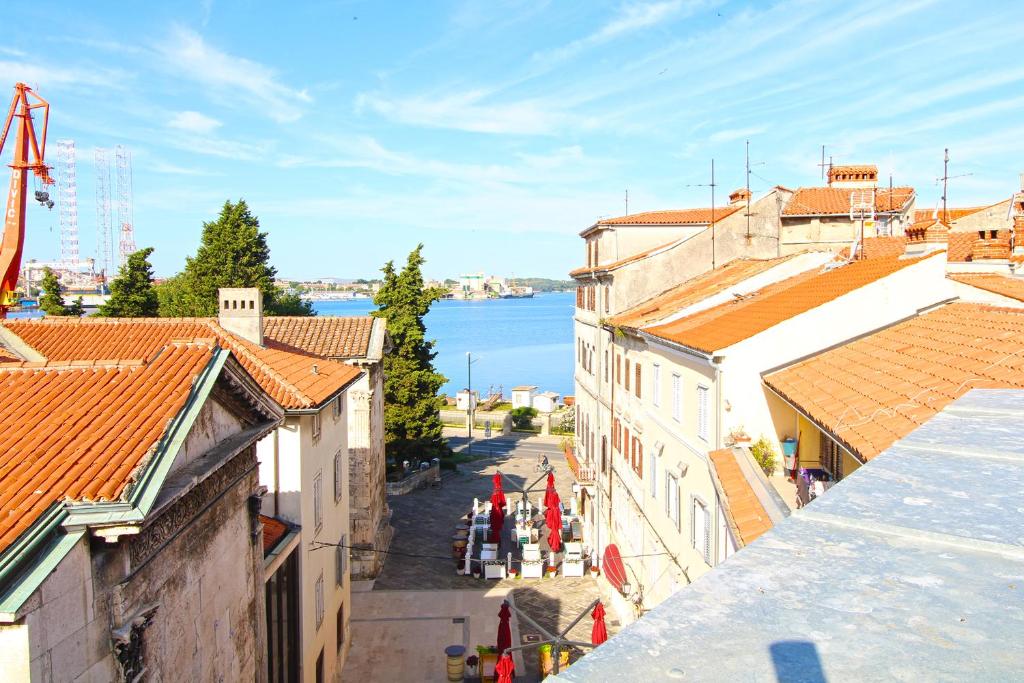
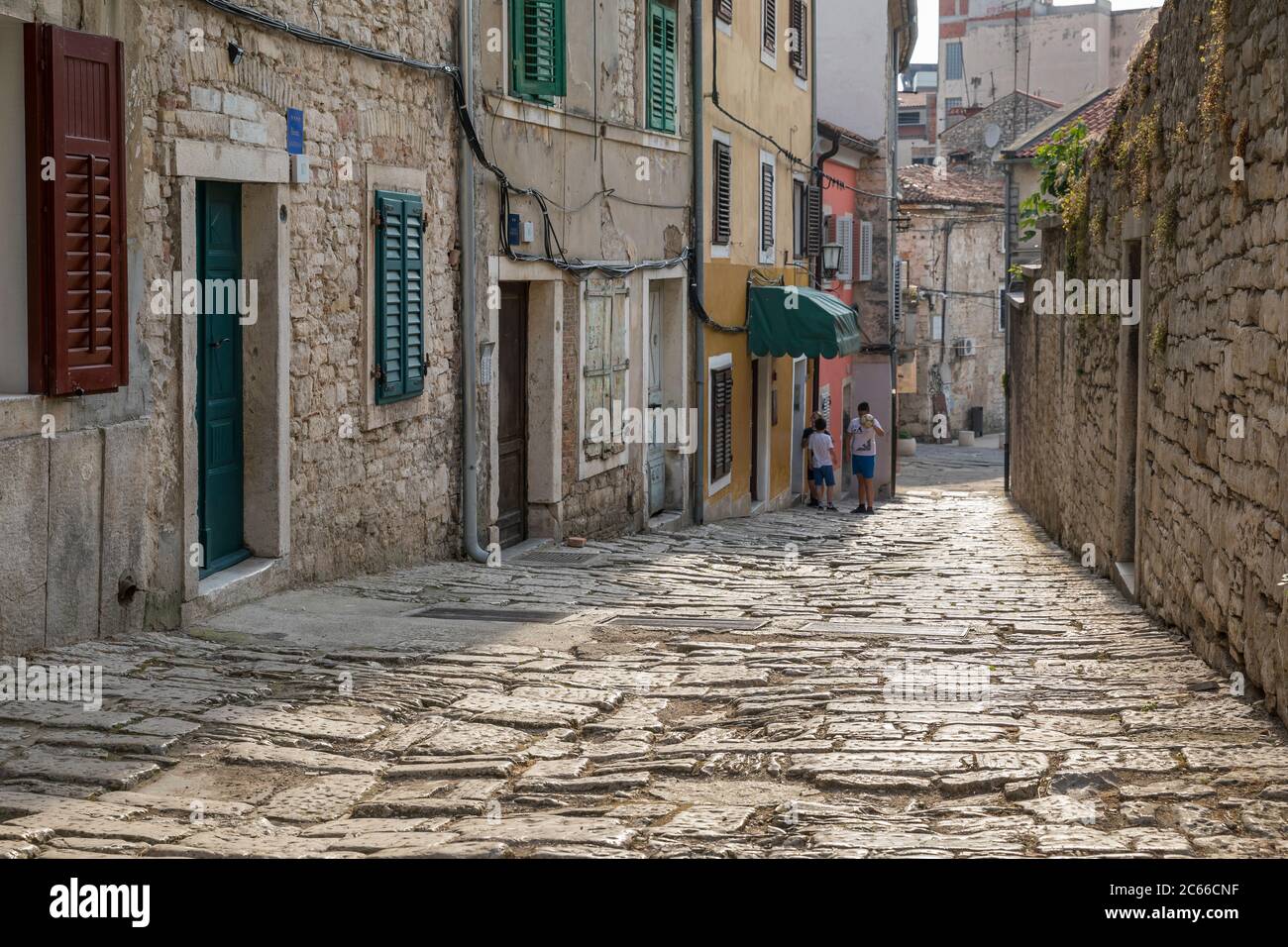
The historic core around the Forum and waterfront offers the widest concentration of guesthouses and apartments within easy reach of the amphitheatre.

Boutique harbor-view apartments

Boutique harbor-view apartments

5-8 min walk

boutique

Smaller converted properties along the waterfront streets near Flavijevska put guests within sight of the amphitheatre's outer wall.

Verudela Peninsula hotels

Verudela Peninsula hotels

15-20 min drive

mid-range

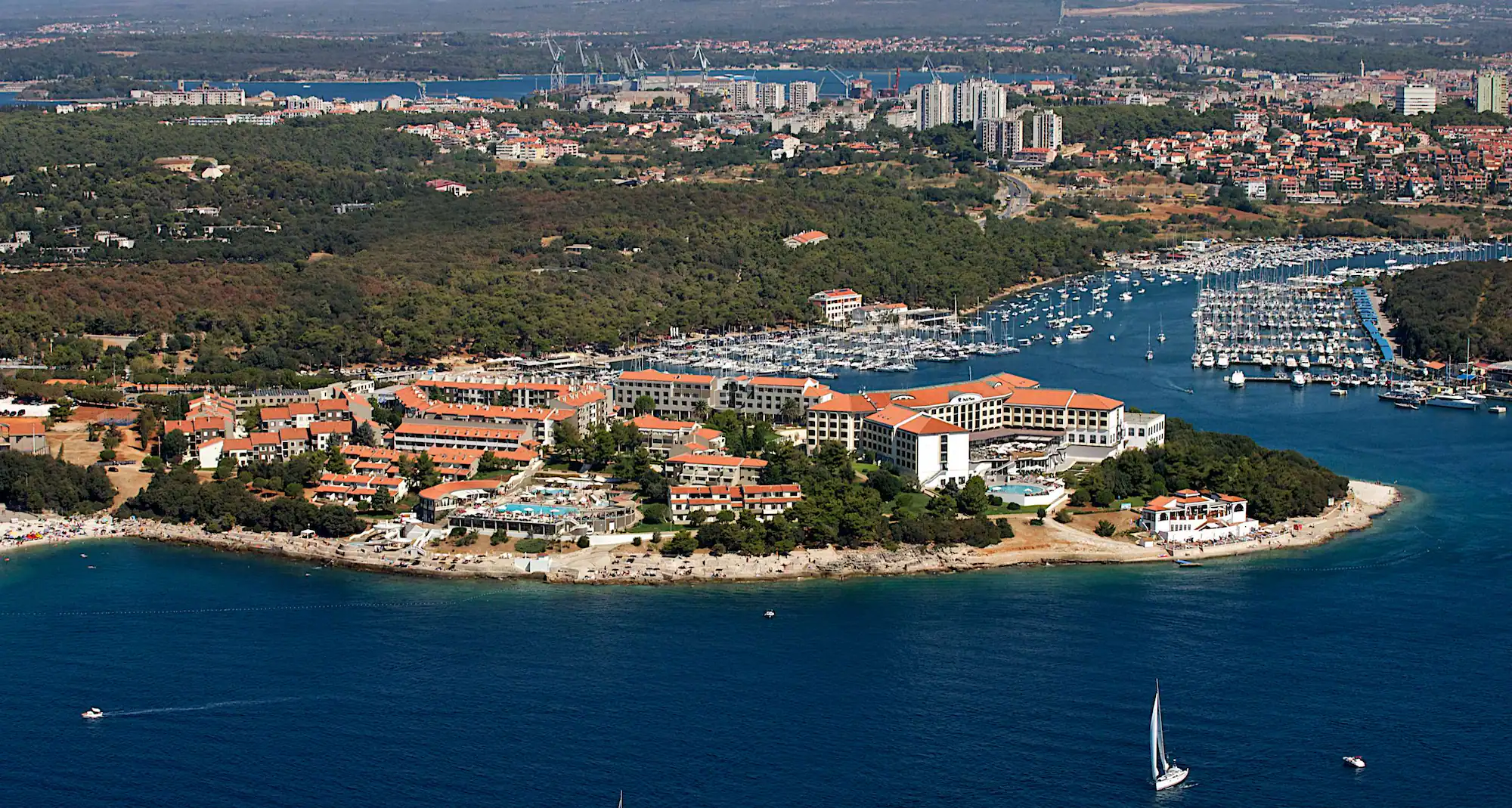
A resort-style hotel strip a short drive south of the center, popular for its beaches alongside easy access into town.

Budget hostels near the bus station

Budget hostels near the bus station

8-10 min walk

budget

Clustered around the main bus terminal, these offer the cheapest stays within short walking distance of the Old Town sites.

Ready for Adventure?

Join thousands of happy travelers who have discovered this incredible experience

Book Your Experience Now